How Professional Septic Tank Cleaning Can Prevent Costly Repairs
March 20, 2026
Septic systems are the backbone of many homes and businesses, silently managing wastewater and ensuring sanitary living conditions. Despite their crucial role, these systems are often overlooked until a problem arises. Homeowners and property managers may underestimate the importance of regular maintenance, viewing septic tanks as self-sustaining units that require minimal attention. However, neglecting proper care can quickly escalate minor issues into expensive repairs, disrupting daily life and posing significant environmental hazards. Professional septic tank cleaning is a preventative measure that safeguards both your property and your budget, ensuring the system operates efficiently over its lifespan.
By scheduling routine cleaning and inspections, property owners can detect early signs of potential failures, such as sludge accumulation, clogs, or compromised drain fields. Professional technicians bring specialized equipment and knowledge, allowing for a thorough assessment and safe removal of waste materials. Moreover, preventative maintenance extends the overall longevity of the system while reducing the likelihood of sudden, costly emergencies. Understanding the practical benefits of professional septic tank cleaning emphasizes why it is not merely an optional service but an essential component of responsible property management. This blog explores the multiple ways regular, professional septic maintenance prevents expensive repairs, highlighting best practices, potential challenges, and actionable insights for homeowners.
1. Understanding Septic System Mechanics
How Septic Systems Work
A typical septic system comprises a tank and a drain field, working together seamlessly to manage household wastewater effectively. Wastewater enters the tank, where solids settle at the bottom, forming sludge, and oils or lighter materials float to the top, creating scum layers. The liquid layer, known as effluent, flows into the drain field, where soil filtration and natural bacterial action treat the wastewater naturally. When functioning properly, this system effectively separates and processes waste, preventing contamination, unpleasant odors, and structural issues over time.
Why Neglect Leads to Costly Problems
Over time, sludge and scum accumulate beyond the tank's capacity, potentially overflowing into the drain field and surrounding areas. When this occurs, clogs, backups, and soil saturation can develop, causing widespread structural and environmental damage. Structural problems like cracks or leaks may also appear due to pressure buildup and prolonged neglect. Ignoring these warning signs often results in expensive interventions, including full tank replacement, drain field reconstruction, or even extensive property damage repairs that could have been avoided.
Real-World Example
Consider a family in a rural area who postponed septic cleaning for over a decade due to budget concerns. Minor backups eventually turned into a full system failure, flooding their yard and requiring a drain field replacement costing tens of thousands of dollars. Regular professional cleaning would have prevented sludge from overwhelming the system entirely, avoiding these significant expenses and stress-related issues.
2. Early Detection of Potential Failures
Identifying Warning Signs
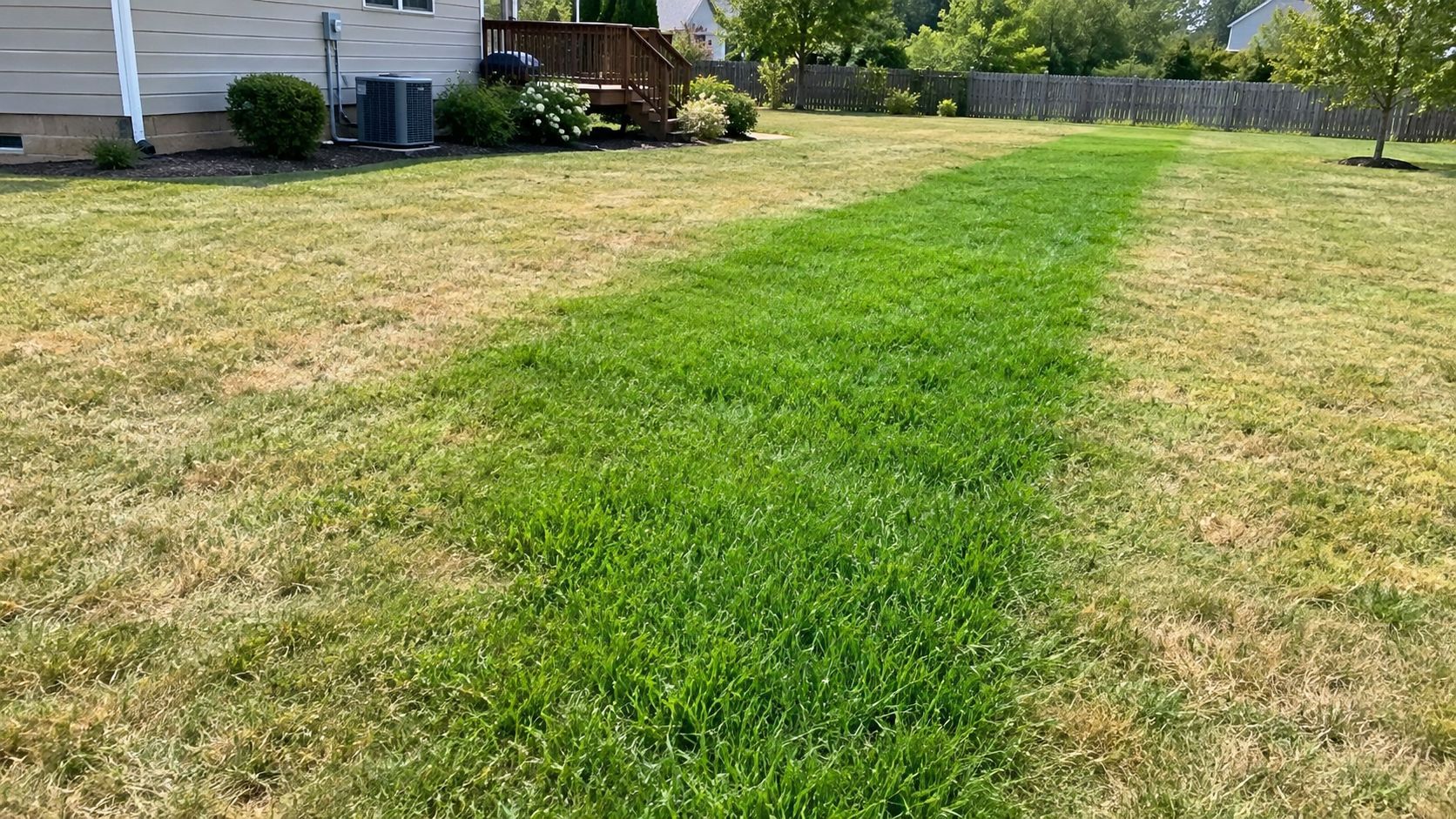
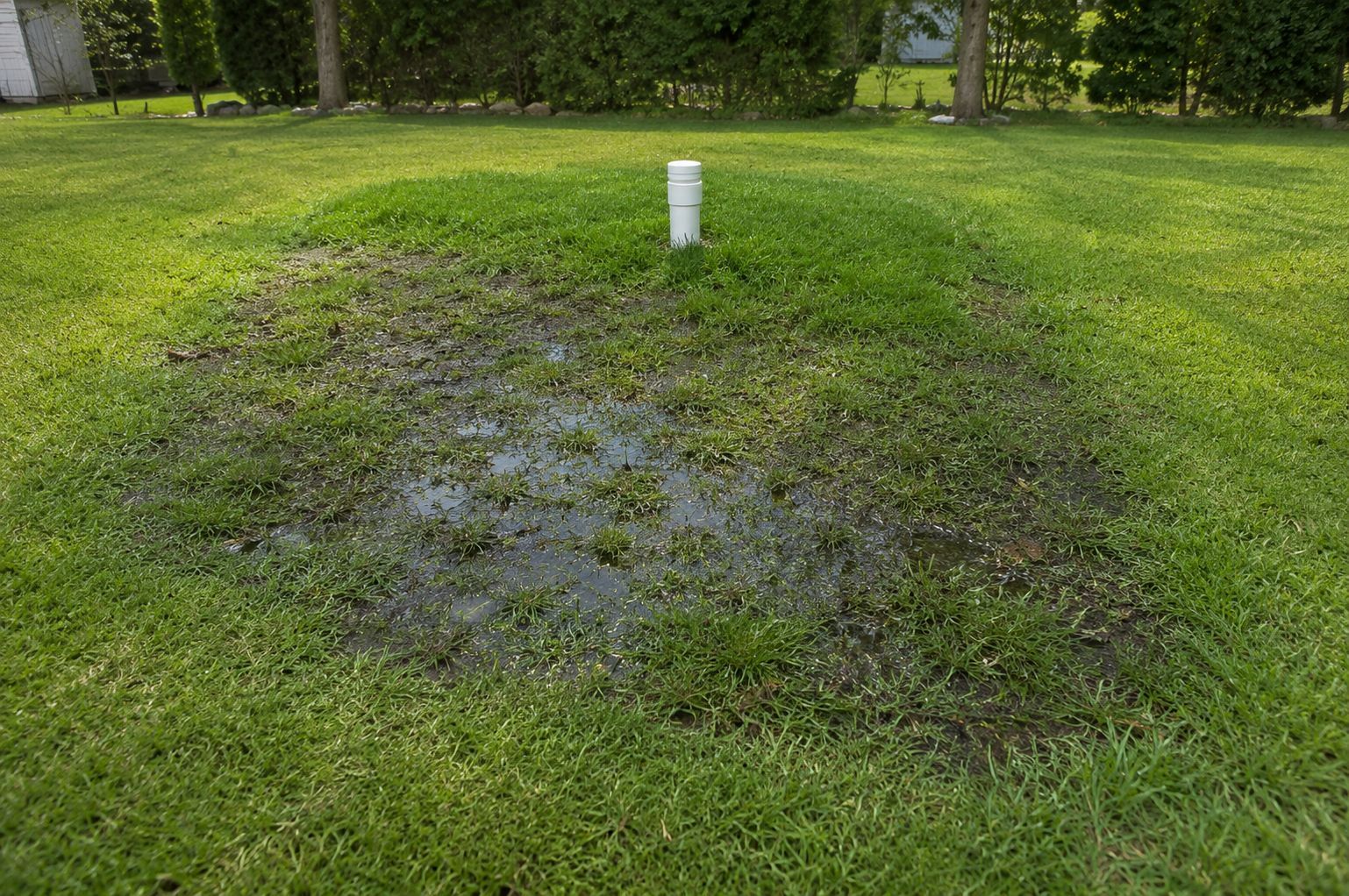
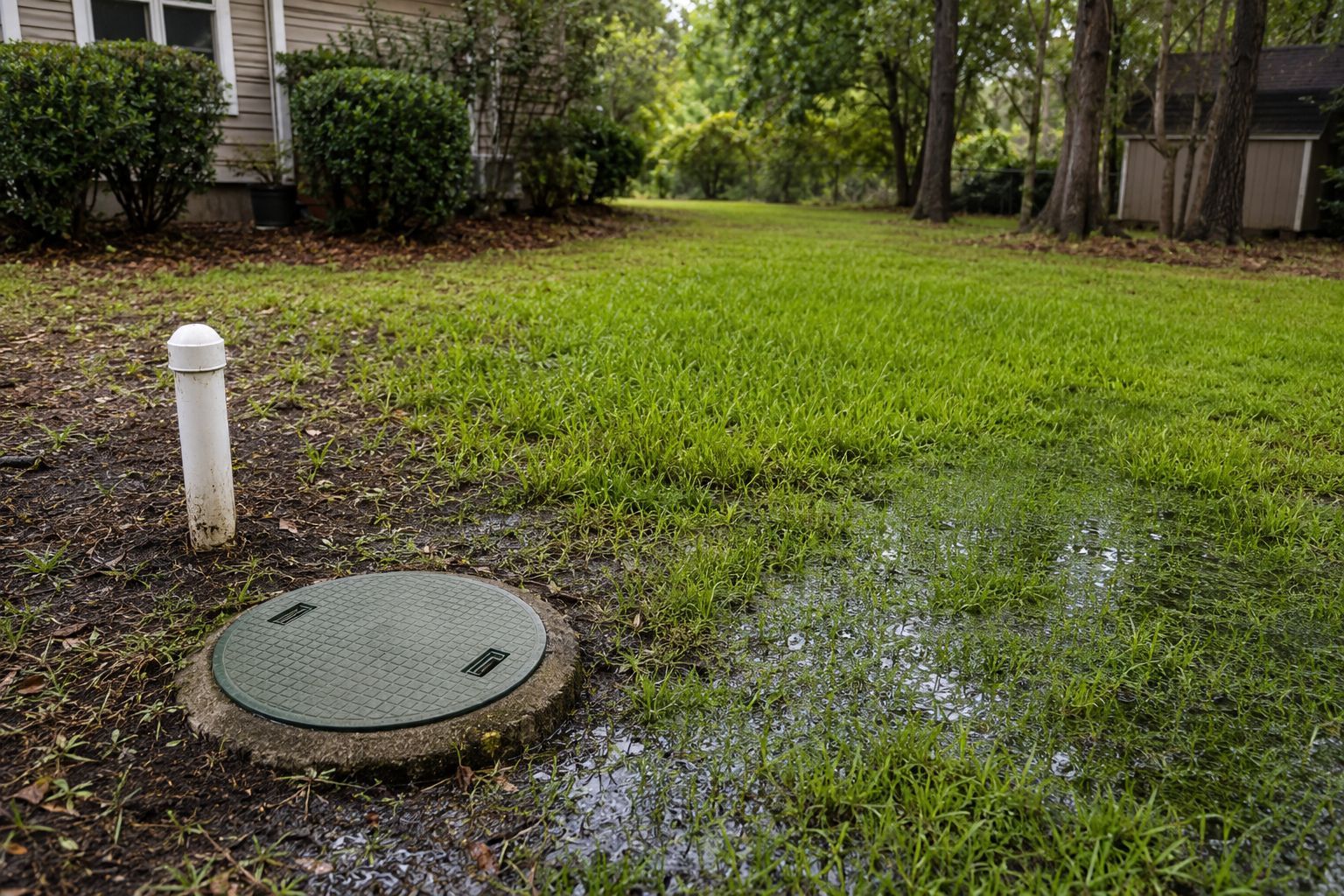
Professional septic services include thorough inspections designed to detect early indicators of system stress and potential failure. Common warning signs include slow drains, unusual odors, pooling water above the drain field, and unusually lush patches of grass in specific areas. These subtle signals often precede serious problems, and addressing them promptly can prevent substantial repair bills and environmental contamination risks.
Role of Professionals in Diagnosis
Licensed septic technicians use specialized tools such as cameras, sludge measuring equipment, and high-powered pumps to evaluate the system’s condition accurately and efficiently. Their expertise allows them to differentiate between minor issues that can be managed with routine cleaning and more serious structural concerns that require repair or partial replacement. Accurate diagnosis ensures targeted interventions, saving time, money, and unnecessary excavation work.
Practical Benefits
Early detection not only saves significant money but also minimizes disruption to daily life and property use. Emergency repairs often require immediate excavation, heavy machinery, and temporary relocation of household utilities or equipment. Regular inspections reduce the risk of sudden emergencies, allowing homeowners to plan and budget effectively for necessary maintenance without unexpected interruptions.
3. Preventing Sludge and Scum Accumulation
Cost Implications of Neglect
When sludge enters the drain field, the soil becomes clogged, preventing proper percolation and treatment of wastewater. Repairing a damaged drain field is among the most expensive septic system interventions, often requiring extensive excavation and replacement materials. Costs frequently range from several thousand to tens of thousands of dollars, depending on the size, accessibility, and location of the field involved.
How Professional Cleaning Helps
Routine professional cleaning removes excess sludge and scum completely before they compromise the system and surrounding environment. High-capacity pumps ensure thorough removal, while technicians inspect for signs of corrosion, leaks, or pipe damage. This process restores the tank’s efficiency, allowing bacteria to continue processing waste effectively and preventing costly downstream problems from escalating further.
4. Reducing Risk of System Backups
Common Causes of Backups
System backups occur when solids obstruct the outlet pipe, the drain field is saturated, or structural components fail unexpectedly. Backups can result in raw sewage entering the home, yard, or nearby waterways, creating immediate health hazards and property damage. Common triggers include excessive water use, flushing inappropriate materials, or prolonged neglect of tank maintenance, which cumulatively strain the system over time.
Preventive Measures by Professionals
Professional septic cleaning reduces the risk of backups by eliminating blockages and ensuring proper flow from the tank to the drain field efficiently. Technicians also provide guidance on best practices, including water conservation techniques and proper waste disposal recommendations, to prevent future blockages and maintain optimal system performance over years.
Example Scenario
A small business relied on a single septic system for employee restroom facilities and wastewater management. Without regular maintenance, a blockage in the tank’s outlet pipe caused a severe backup, forcing temporary closure of facilities and cleanup costs. A scheduled professional cleaning plan would have prevented the blockage entirely, avoiding disruption, fines, and unnecessary emergency expenses.
5. Extending the Lifespan of Septic Components
Longevity of Tanks and Drain Fields
Septic systems are designed to last decades when properly maintained and cared for consistently. However, accumulated waste, chemical imbalances, and untreated leaks can accelerate wear on tanks, pipes, and drain fields significantly. By removing sludge and scum on a routine basis, professional cleaning helps maintain the structural integrity and functionality of all system components for the long term.
Cost Efficiency of Preventative Care
Replacing a septic tank or drain field can cost anywhere from $3,000 to $15,000 or more, depending on system complexity and accessibility. Regular cleaning and inspections reduce the frequency of major repairs and extend the functional lifespan of the system, representing a cost-effective strategy for property owners over the years.
Case Study Insight
In one residential study, properties that adhered to a 3–5-year professional cleaning schedule experienced significantly fewer system failures than those that postponed maintenance for over a decade. Long-term savings included not only repair costs but also avoided fines and environmental violations associated with sewage overflow incidents.
6. Best Practices for Homeowners
Scheduling Routine Cleaning
Experts recommend pumping septic tanks every 3–5 years, although the frequency may vary based on tank size, household occupancy, and overall water usage patterns. High-usage properties may require more frequent service to maintain optimal system performance consistently and prevent emergency repairs.
Educating Property Occupants
Homeowners and tenants should avoid flushing items such as wipes, feminine hygiene products, or chemicals that disrupt natural bacterial activity. Educating residents ensures that the system continues to operate efficiently between professional cleanings and reduces the risk of blockages or overflows.
Integrating Inspections with Cleaning
Many septic service providers combine cleaning with full inspections, checking for signs of corrosion, leaks, or soil saturation in the drain field. This holistic approach ensures that minor issues are addressed before escalating into costly and disruptive repairs that can impact property value.
Documenting Maintenance Records
Maintaining detailed records of all cleanings and inspections not only aids long-term management but also supports property value during future sales or transfers. Buyers often review septic system history to assess potential liabilities, and documented professional maintenance enhances confidence in system reliability and overall property safety.
Trusted Team Delivering Dependable Septic System Services
Professional septic tank cleaning is a critical investment in maintaining the health, efficiency, and longevity of your septic system. By addressing sludge buildup, detecting early signs of failure, and preventing backups, routine maintenance significantly reduces the likelihood of costly emergency repairs. Moreover, regular service protects property value, supports environmental compliance, and ensures a safe living environment for occupants. Homeowners who proactively schedule cleaning and inspections experience fewer disruptions, avoid expensive system replacements, and maximize the functional lifespan of their septic infrastructure.
For over 60
years, Scotts Septic Tank Service
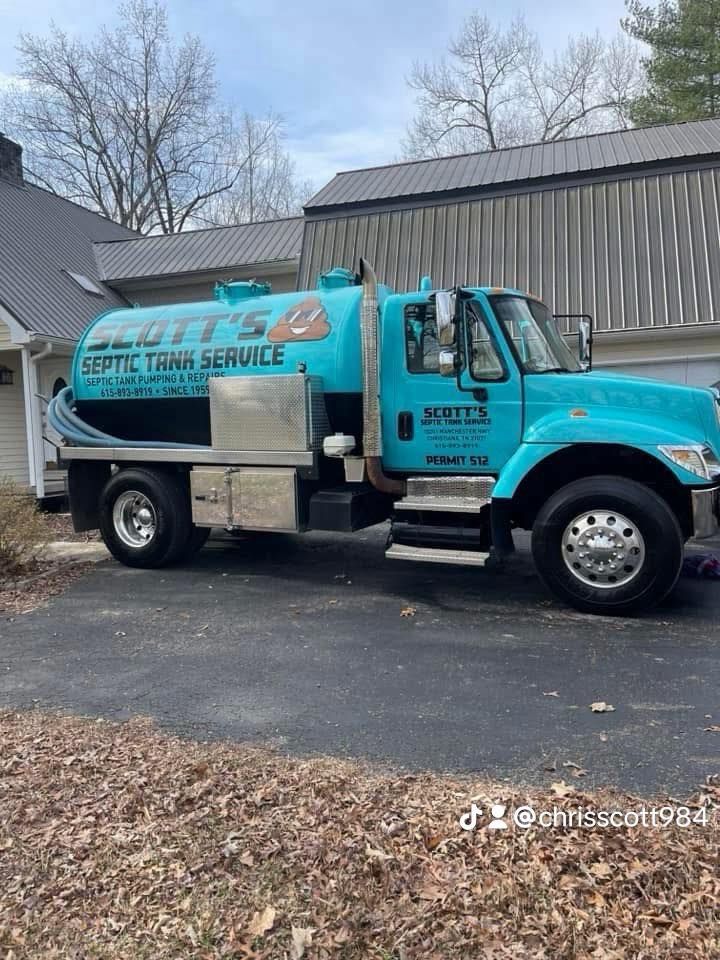
has provided expert septic system solutions in Christiana, Tennessee. Our team combines decades of experience with a commitment to customer satisfaction, delivering reliable cleaning, inspection, and repair services tailored to each property’s unique needs. Trusted by homeowners and businesses alike, we prioritize preventative maintenance, using advanced equipment and industry best practices to safeguard your system against costly repairs. With our expertise, your septic system remains efficient, safe, and fully operational, offering peace of mind and long-term savings.