Why Regular Septic Tank Cleaning Is Crucial for Every Homeowner
February 26, 2026
Septic systems are an essential component of residential infrastructure, quietly managing wastewater from households and ensuring sanitation and environmental safety. Despite their critical role, these systems are often overlooked until a problem arises. Homeowners frequently underestimate the importance of proactive maintenance, leading to costly repairs, system failures, and potential health hazards. Regular septic tank cleaning is not merely a preventative measure—it is a necessity for the long-term functionality and reliability of any home’s wastewater management system. Understanding the implications of neglecting this vital service can save homeowners significant financial and environmental burdens in the future.
In addition to safeguarding the system itself, routine septic maintenance directly impacts household health and hygiene. Overflowing or malfunctioning tanks can contaminate nearby soil and water, exposing families to bacteria, viruses, and other hazardous pathogens. Moreover, untreated wastewater can damage landscaping, erode property foundations, and generate foul odors that disrupt daily life. For these reasons, the practice of regular septic tank cleaning is both an environmental responsibility and a sound investment. By addressing maintenance proactively, homeowners ensure their systems operate efficiently, extend their lifespan, and avoid unexpected emergencies that could compromise property value and wellbeing.
Understanding Septic Systems and Their Function
How Septic Systems Work
A septic system is a self-contained, underground wastewater treatment facility that relies on natural processes to break down household waste. Typically, a system consists of a septic tank, a network of pipes, and a drain field. Wastewater flows from the home into the septic tank, where solids settle to the bottom as sludge while oils and lighter materials float to form a scum layer. Beneficial bacteria within the tank naturally digest organic matter, partially treating the water before it exits into the drain field for further filtration through soil.
Homeowners often assume that septic systems are maintenance-free due to their self-contained nature. However, the reality is that accumulated sludge and scum gradually reduce tank capacity, and bacterial efficiency can diminish over time. Without routine cleaning, solids can overflow into the drain field, causing blockages, soil contamination, and eventual system failure. Understanding the mechanics of septic systems underscores why periodic inspection and cleaning are not optional—they are crucial for system longevity and functionality.
The Role of Bacteria in Wastewater Treatment
Bacteria play an indispensable role in breaking down organic matter within septic tanks. These microorganisms help digest solid waste, reduce harmful pathogens, and maintain the balance of the system’s ecosystem. When tanks are neglected, chemical use, excessive water, or improper disposal of non-biodegradable items can disrupt bacterial populations. This imbalance slows waste decomposition and accelerates the buildup of sludge, creating an environment ripe for blockages and costly repairs. By scheduling regular septic tank cleaning, homeowners support the natural bacterial processes that ensure their systems remain effective and environmentally safe.
The Risks of Neglecting Septic Tank Maintenance
Health Hazards and Environmental Impact
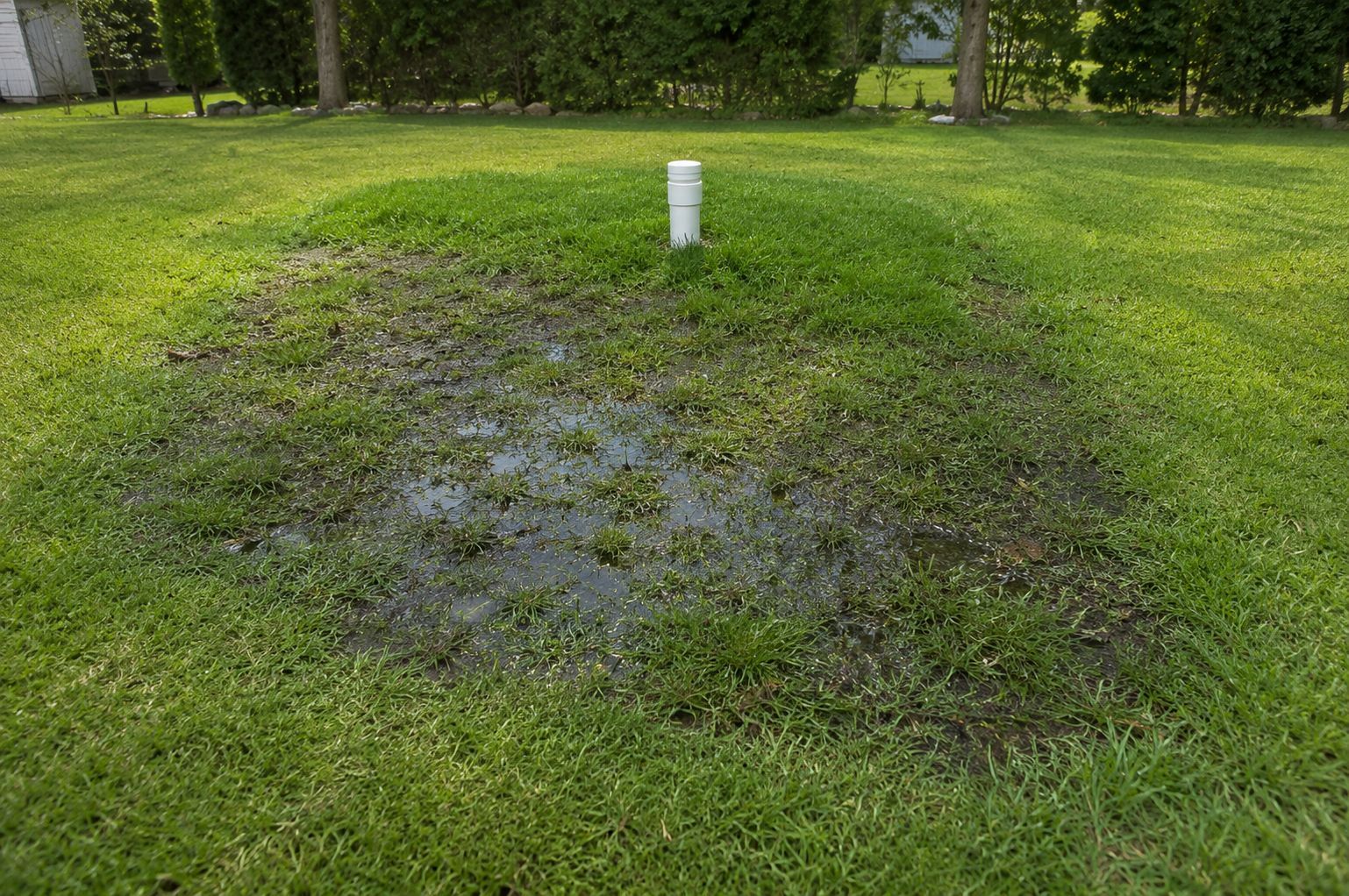
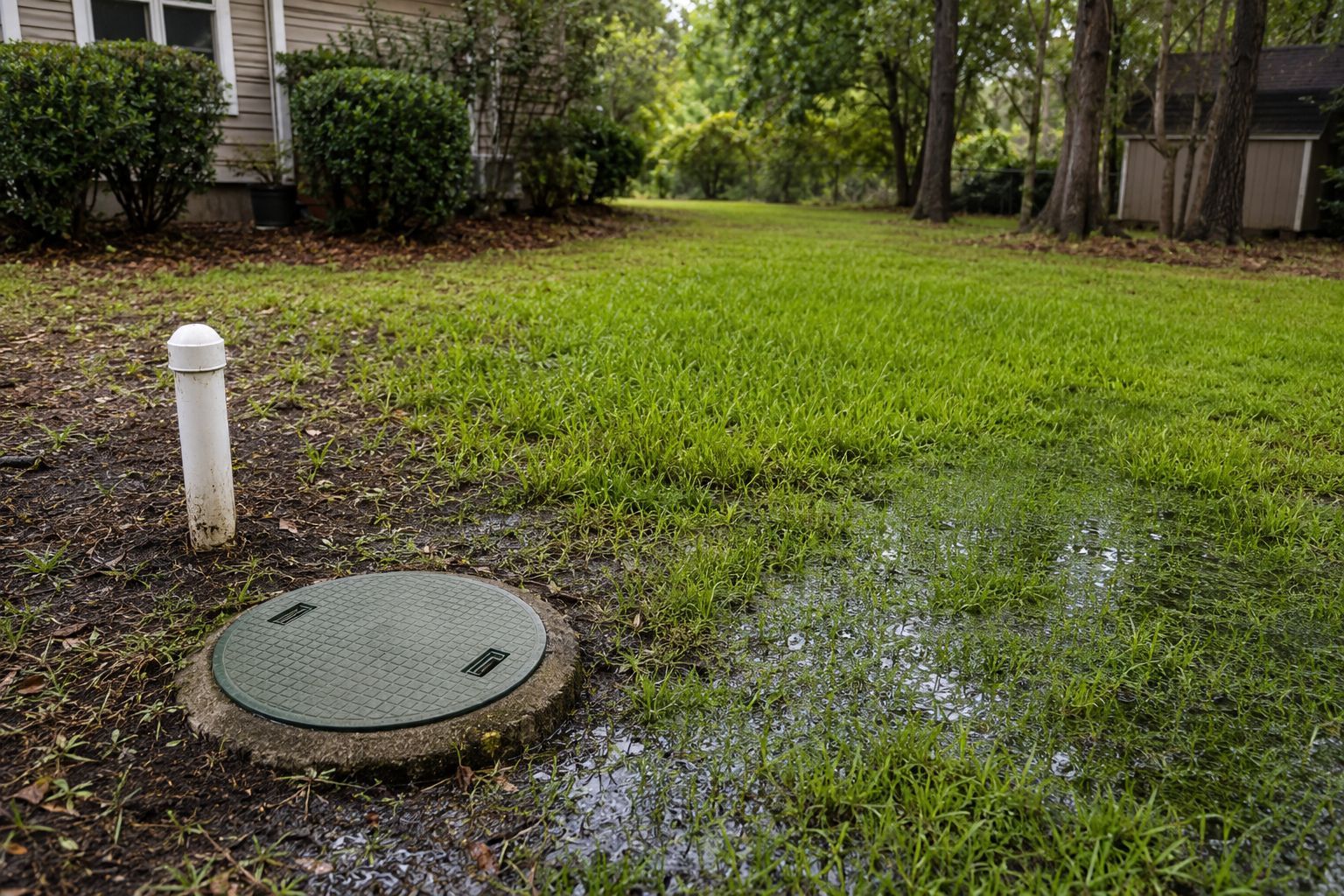
Neglecting septic tank cleaning can result in a host of health and environmental hazards. Overflowing tanks or leaky systems can release untreated wastewater into yards, water sources, and nearby ecosystems. This contamination introduces pathogens such as E. coli, Salmonella, and other bacteria, putting family members and pets at risk. Contaminated groundwater can also impact local communities, posing a broader public health concern.
Beyond health risks, failing septic systems harm the environment. Excess nutrients from untreated wastewater can disrupt soil quality, promote harmful algae blooms in water bodies, and reduce local biodiversity. The cost of mitigating such environmental damage often far exceeds the investment in regular maintenance, making proactive cleaning not only a homeowner’s responsibility but also an ecological necessity.
Property Damage and Financial Burden
A malfunctioning septic system can quickly escalate into expensive property damage. Blockages in the tank or drain field can result in sewage backup into basements, kitchens, or bathrooms, causing structural deterioration and requiring extensive cleanup. Moreover, untreated wastewater can erode soil stability, affecting landscaping, driveways, and even home foundations. Repairing or replacing a failed septic system can cost thousands of dollars, far surpassing the routine expense of professional cleaning. Regular maintenance provides a cost-effective safeguard, preventing unexpected emergencies and preserving both home value and peace of mind.
Benefits of Regular Septic Tank Cleaning
Improved Household Hygiene and Comfort
A well-maintained septic system directly contributes to household hygiene and comfort. Cleaning prevents foul odors, reduces the risk of sewage backup, and ensures wastewater flows smoothly from the home to the drain field. This maintenance supports a safe, sanitary living environment while enhancing the overall comfort and quality of daily life.
Cost Savings Over Time
While septic tank cleaning incurs a routine expense, it provides significant cost savings in the long term. Preventing system failure avoids emergency repairs, structural damage, and potential health care costs associated with exposure to contaminated water. Homeowners who prioritize regular maintenance often experience fewer disruptions and reduced financial stress compared to those who neglect their systems.
Best Practices for Septic Tank Maintenance
Scheduling Professional Cleaning
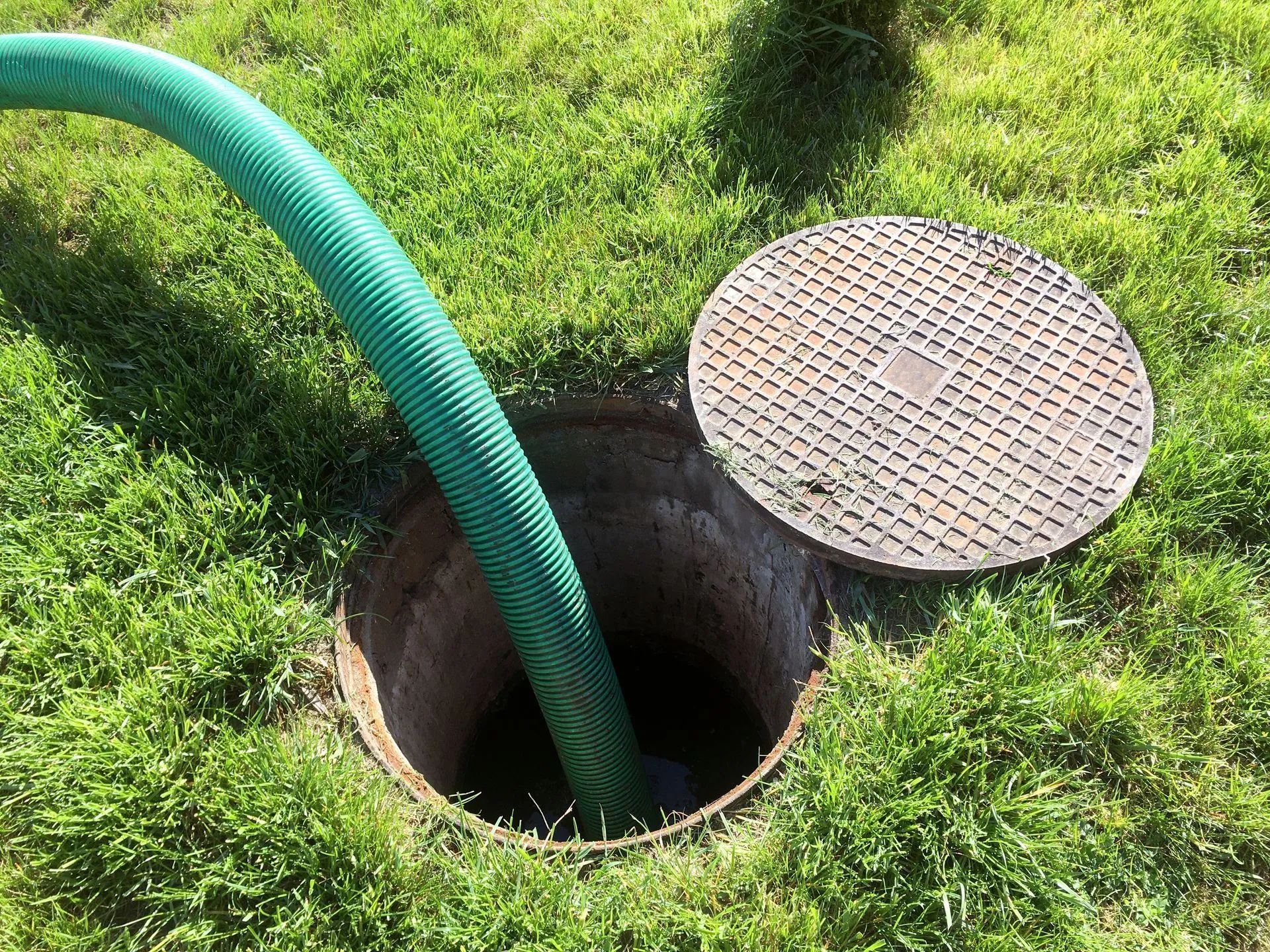
Industry experts recommend that residential septic tanks be professionally cleaned every three to five years, depending on tank size, household occupancy, and water usage patterns. High-occupancy households or properties with smaller tanks may require more frequent service. A licensed professional uses specialized equipment to safely remove sludge and scum, inspect system components, and ensure proper operation. Adhering to a regular cleaning schedule mitigates the risk of system overload and provides an opportunity for early detection of potential issues.
Reducing System Strain
In addition to professional cleaning, homeowners can adopt practices that minimize stress on the septic system. Avoid flushing non-biodegradable items, excessive grease, or chemicals that can disrupt bacterial activity. Monitor water usage to prevent overloading the tank, particularly during high-demand periods. Installing water-efficient fixtures and spreading laundry loads evenly throughout the week can also reduce strain on the system, promoting smoother operation and reducing the frequency of required cleanings.
Regular Inspections
Routine inspections complement professional cleaning by identifying minor issues before they escalate. Homeowners can visually check for signs of leaks, slow drains, or unusual odors, while professionals can perform detailed assessments of the tank, pipes, and drain field. Early detection allows for timely repairs, ensuring system longevity and avoiding costly emergency interventions. Incorporating inspections into a preventive maintenance plan enhances the effectiveness of regular cleaning and promotes overall system health.
Common Challenges Homeowners Face
Neglect Due to Lack of Awareness
A primary challenge in septic system maintenance is homeowner awareness. Many individuals are unfamiliar with how their septic systems operate or the consequences of neglect. This lack of knowledge often leads to deferred cleaning, increased risk of failure, and unexpected emergencies. Educational initiatives and professional consultations can help homeowners understand the importance of routine maintenance and empower them to take proactive steps.
Mismanagement of Household Waste
Another common challenge is improper disposal of household waste. Flushing chemicals, medications, or non-biodegradable items can disrupt bacterial activity and accelerate sludge accumulation. Homeowners may also underestimate water usage, causing tank overload. Addressing these behaviors through informed practices and clear guidelines helps maintain system balance and reduces the likelihood of premature failure.
Seasonal and Environmental Factors
Environmental conditions, such as heavy rainfall or flooding, can strain septic systems by saturating the drain field and slowing waste absorption. Seasonal usage fluctuations, such as increased occupancy during holidays or vacation periods, also impact system performance. Understanding these factors and adjusting cleaning schedules accordingly ensures that septic tanks remain functional even under variable conditions.
Trusted Team Delivering Comprehensive Septic Maintenance Solutions
Regular septic tank cleaning is a critical aspect of responsible homeownership, offering health, environmental, and financial benefits. By understanding how septic systems function, recognizing the risks of neglect, and implementing best practices, homeowners can safeguard their properties and families while ensuring the long-term reliability of their wastewater management infrastructure. Routine maintenance supports natural bacterial processes, prevents costly emergencies, and promotes a clean, comfortable, and hygienic living environment.
Scotts Septic Tank Service, based in Christiana, Tennessee, exemplifies the highest standard in septic system maintenance and cleaning. With over 60
years of experience, the company has built a reputation for dependable, professional, and thorough service. From routine inspections and cleaning to emergency interventions, Scotts Septic Tank Service
combines expertise, state-of-the-art equipment, and a customer-first approach to ensure every septic system operates at peak efficiency. Homeowners can rely on the company for actionable guidance, preventive strategies, and solutions tailored to their specific property needs. By partnering with a trusted provider, residents of Christiana and surrounding areas can enjoy peace of mind, knowing their septic systems are maintained responsibly, protecting both their investment and their family’s health. Scotts Septic Tank Service
remains committed to excellence, offering unmatched knowledge and decades of proven experience to every customer, reinforcing the importance of regular septic tank cleaning as a cornerstone of home maintenance.