
Septic Tank Inspection in Christiana, Tennessee
Inquire
Contact Us
We will get back to you as soon as possible.
Please try again later.
Our Services
- Service 1
- Service 2
- Service 3
- Service 4
- Service 5
- Service 6
- Service 7
- Service 8
- Service 9
Revealing Subsurface Conditions Through Accurate Septic System Inspection
Most septic failures are not sudden events; they are slow-moving problems hidden underground until disruption becomes unavoidable. Septic tank inspection is the process that brings those hidden conditions to light before damage escalates. At Scotts Septic Tank Service, inspection is treated as an investigative discipline, not a visual shortcut. Each inspection focuses on structural condition, waste levels, flow behavior, and system balance. Cracks, compromised baffles, improper separation, and early drain field stress can all exist without surface symptoms. Inspection creates clarity, allowing informed decisions instead of reactive repairs after failure has already occurred.
We serve Christiana, Tennessee, as well as nearby communities including Murfreesboro, Eagleville, Shelbyville, and rural areas throughout Rutherford and Bedford counties. Septic systems across this region operate under soil and moisture conditions that magnify small defects over time. Clay-heavy ground slows absorption, while seasonal rainfall raises groundwater levels. These factors make routine septic tank inspection especially important, as problems develop faster and tolerate less margin for error compared to lighter, faster-draining soils found elsewhere.
With more than 60+ years of septic system service experience, our team approaches septic tank inspection with structure, discipline, and restraint. Inspections are not designed to sell unnecessary services but to document system reality accurately. Findings are explained clearly, risks are prioritized logically, and recommendations are based on performance impact rather than urgency alone. When inspection is done correctly, septic systems remain predictable, maintenance becomes strategic, and property owners gain confidence in how their wastewater systems are truly functioning beneath the surface.
Our Septic Tank Inspection Services
Comprehensive Tank Condition Assessment
Comprehensive inspection evaluates tank walls, seams, lids, and structural stability. Identifying cracks, corrosion, displacement, or material fatigue ensures containment remains intact. Early structural assessment helps prevent collapse, leakage, and system failure caused by aging components, soil pressure, groundwater influence, or long-term operational stress over time.
Sludge and Scum Level Measurement
Precise measurement of sludge and scum layers determines remaining capacity and treatment efficiency. Accurate data keeps pumping schedules appropriate, preventing premature service or neglect. Monitoring waste levels limits solids migration into field lines and supports balanced wastewater separation essential for consistent system performance over time.
Baffle and Flow Path Evaluation
Inspection confirms baffles remain intact and correctly positioned to regulate internal flow. Damaged or missing baffles allow solids escape and disrupt separation. Evaluating flow paths ensures wastewater moves predictably through the system, protecting downstream components from unnecessary stress, blockage, and premature failure over time conditions.
Inlet and Outlet Inspection
Inlet and outlet connections are inspected for alignment, obstruction, wear, and seal condition. Properly functioning connections support smooth wastewater movement and pressure balance. Inspection identifies developing issues that cause backups, turbulence, or infiltration, allowing correction before system performance degrades and creates secondary failures over time.
Leak and Infiltration Detection
Leak and infiltration detection identifies groundwater intrusion or wastewater escape compromising treatment efficiency. Detecting these conditions prevents hydraulic overload, contamination, and dilution within the tank. Early detection protects environmental safety, maintains internal balance, and supports long-term system stability under changing soil moisture and groundwater conditions.
Inspection Reporting and Maintenance Guidance
Inspection reporting documents findings clearly, outlining system condition, identified risks, and recommended actions. Maintenance guidance prioritizes stability and performance, helping owners plan service logically. Clear reporting supports informed decisions, reduces reactive repairs, and establishes predictable maintenance strategies aligned with actual system needs over time consistently.
Benefits of Routine Septic Tank Inspection
Detects Problems Before Failure Occurs
Septic tank inspection identifies developing cracks, baffle deterioration, and abnormal waste levels before failure happens. Early detection allows corrective action while damage remains limited. This proactive approach prevents sudden backups, environmental contamination, and emergency repairs that disrupt daily use and increase long-term costs significantly.
Protects Drain Field Health
Inspections evaluate effluent quality and flow behavior entering the drain field. Detecting solids carryover or imbalance early protects soil absorption capacity. Septic tank inspection helps prevent biomat overload, surface pooling, and premature drain field failure that often requires costly excavation or replacement later.
Improves Maintenance Planning Accuracy
Routine inspection provides data-driven insight into system condition. Sludge depth, structural wear, and component performance guide realistic maintenance schedules. This eliminates guesswork, prevents over-servicing or neglect, and ensures septic care aligns with actual system demands over time.
Supports Environmental Protection
Undetected leaks and overfilled tanks threaten groundwater and surrounding soil. Septic tank inspection confirms containment integrity and identifies contamination risks early. Protecting environmental health supports regulatory compliance and prevents long-term ecological damage caused by untreated wastewater release.
Extends Overall System Lifespan
Inspection slows system deterioration by catching stress points early. Addressing minor issues prevents cascading failures that shorten lifespan. Septic tank inspection helps systems operate as designed longer, delaying replacement timelines and maximizing the value of existing infrastructure investments.
Reduces Unexpected Repair Costs
Unexpected septic failures are expensive and disruptive. Inspection transforms surprise repairs into planned maintenance. Identifying issues early reduces emergency service needs, limits excavation, and allows cost-effective repairs instead of large-scale corrective work after failure occurs.
why choose us?
Local Expertise You Can Trust
We live and work in the Christiana, TN area, which means we understand local soil conditions, regulations, and septic system needs. This local knowledge allows us to deliver accurate solutions that work long-term, not guesswork.
Full-Service Septic Solutions
We handle everything from septic tank cleaning and inspections to installations, repairs, field line restoration, and riser installation. Our customers appreciate having one reliable company for all their septic needs.
Honest, Straightforward Service
We believe in clear communication, fair pricing, and explaining your options so you can make informed decisions. You’ll never be pressured into unnecessary work or left wondering what’s happening with your system.
Quality Work Built to Last
We take pride in doing the job right the first time using proven methods and dependable equipment. Our focus is on protecting your property and extending the life of your septic system.
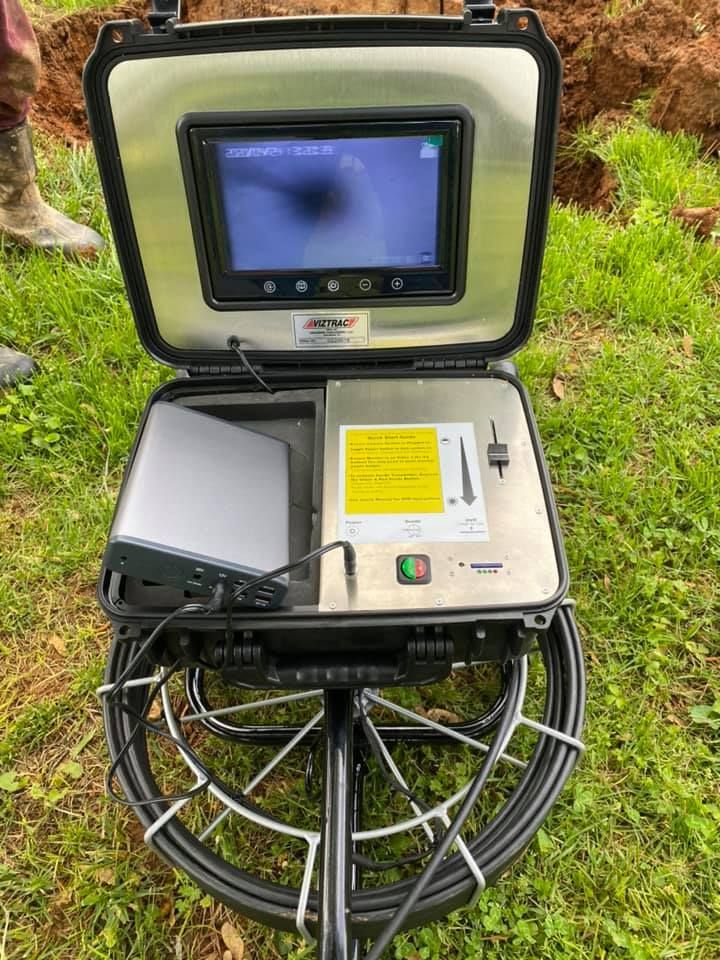
Early Insight Enables Smarter Maintenance Planning And System Longevity
Septic tank inspection provides clarity where uncertainty often exists underground. Our commitment centers on accuracy, transparency, and long-term system protection rather than surface-level assessments. At Scotts Septic Tank Service, inspections are performed with structured evaluation, careful measurement, and clear documentation designed to inform responsible decisions. Serving Christiana, Tennessee and nearby communities, our team applies decades of experience to identify risks early and prioritize system stability. Communication remains direct, findings are explained without exaggeration, and recommendations reflect actual performance needs rather than assumptions. Quality inspection is measured through fewer emergencies, predictable maintenance, and systems that continue operating quietly in the background. By focusing on early detection and informed planning, septic tank inspection becomes a preventive safeguard that protects property value, environmental health, and daily reliability for years to come.
Frequently Asked Questions
What is included in a septic tank inspection?
A septic tank inspection includes evaluating structural condition, measuring sludge and scum levels, checking baffles, assessing inlet and outlet connections, and identifying leaks or infiltration. The goal is understanding overall system health, detecting early problems, and guiding maintenance decisions before costly failure occurs unexpectedly underground.
How often should septic tank inspections be performed?
Most systems benefit from inspection every one to three years, depending on usage and age. Regular inspection ensures waste levels remain controlled and components stay functional. Inspections between pumping cycles provide early warning of developing issues that routine cleaning alone cannot detect reliably over time.
Is septic tank inspection required before property sale?
Many property transactions require septic tank inspection to verify system condition. Inspection protects buyers and sellers by documenting performance and identifying necessary repairs. Completing inspection early helps prevent delays, renegotiations, unexpected costs, or last-minute system failures during the closing process for both parties involved locally.
Can inspection prevent drain field failure?
Yes. Septic tank inspection identifies solids carryover and flow imbalance that damage drain fields. Detecting these issues early allows corrective action, preserving soil absorption capacity and extending drain field lifespan significantly while avoiding costly excavation or premature replacement scenarios that disrupt property use long-term planning.
Why are septic tank inspections so important for homeowners?
Septic inspections help identify hidden problems before they become expensive emergencies. Issues like sludge buildup, damaged baffles, leaks, drain field problems, or system overload may not show obvious symptoms initially. Regular inspections help protect the property, reduce repair costs, prevent sewage backups, and ensure the septic system continues operating safely and efficiently.
How often should a septic tank be inspected?
Most septic systems should be inspected every few years, although frequency depends on household size, water usage, tank size, and system age. Homes with heavy water usage or older systems may require more frequent evaluations. Regular inspections help detect gradual wear early before small maintenance issues become major septic failures.
What happens during a septic tank inspection?
A typical inspection may include locating and opening the tank, checking sludge and scum levels, inspecting baffles and components, evaluating drainage performance, and looking for signs of leaks or structural damage. Inspectors may also assess the drain field and surrounding soil conditions to identify warning signs of developing system problems.
What are common warning signs of septic system trouble?
Slow drains, sewage odors, wet spots in the yard, unusually green grass over the drain field, gurgling pipes, or recurring backups may indicate septic issues. However, some systems show no obvious signs until significant failure occurs. Routine inspections are valuable because they often reveal hidden problems early in the process.
Does septic tank inspection involve pumping?
Septic tank inspection does not always require pumping, although some evaluations become more accurate with partial pumping. Sludge measurement and structural checks can often be completed without full cleaning, depending on access conditions, tank design, and overall system operating status at the time of inspection.
How does Scotts Septic Tank Service conduct inspections in Christiana, Tennessee?
Scotts Septic Tank Service conducts inspections tailored to soil composition, moisture behavior, and usage patterns common in Christiana, Tennessee. This regional awareness ensures inspection findings reflect real-world risks, seasonal conditions, and performance concerns rather than generic standards alone applied across similar Middle Tennessee properties consistently.
What problems are most commonly found during inspection?
Common problems found during septic tank inspection include excessive sludge accumulation, deteriorated baffles, minor structural cracks, and groundwater infiltration. These issues often develop silently underground. Inspection identifies them early, allowing corrective action before overall system performance declines and creates unexpected failures for property owners later.
Why choose Scotts Septic Tank Service in Christiana, Tennessee for inspections?
Scotts Septic Tank Service brings over 60+ years of septic system service experience in Christiana, Tennessee. This experience supports accurate inspections, clear reporting, and practical maintenance guidance focused on long-term reliability rather than assumptions, guesswork, or unnecessary service recommendations that fail to address real conditions.
Why is pumping sometimes recommended during an inspection?
Inspectors may recommend pumping if sludge levels are approaching capacity or if buildup interferes with proper system operation. Excess waste accumulation can reduce treatment efficiency and increase the risk of backups or drain field damage. Pumping at the right intervals helps extend septic system lifespan and maintain healthy performance.
Can heavy rain affect septic system performance?
Yes. Saturated soil from heavy rainfall can reduce the drain field’s ability to absorb wastewater properly. This may temporarily slow drainage or increase the risk of backups. Inspections can help determine whether weather-related problems are temporary or signs of a larger issue involving drainage failure or system overload.
What hidden benefits come from regular septic inspections?
Beyond preventing emergencies, inspections can extend system lifespan, improve efficiency, protect groundwater quality, maintain property value, and reduce long-term repair costs. Many homeowners also gain peace of mind knowing their septic system is functioning properly. Early problem detection often prevents disruptive and expensive full-system replacements later.