
Field Line Restoration in Christiana, Tennessee
Inquire
Contact Us
We will get back to you as soon as possible.
Please try again later.
Our Services
- Service 1
- Service 2
- Service 3
- Service 4
- Service 5
- Service 6
- Service 7
- Service 8
- Service 9
Reviving Soil Absorption To Restore Drain Field Functionality
Field lines are the quiet workhorses of every septic system, absorbing and dispersing treated wastewater long after it leaves the tank. When those lines lose capacity, symptoms surface quickly—standing water, foul odors, slow drainage, or system backups that disrupt daily life. Field line restoration addresses these failures by reviving absorption performance rather than defaulting to full replacement. At Scotts Septic Tank Service, restoration is approached as a precision process rooted in soil behavior, hydraulic balance, and system history. Instead of tearing up functional infrastructure prematurely, restoration focuses on correcting compaction, biomat buildup, and saturation that prevent wastewater from dispersing as intended. When performed correctly, restoration restores balance underground and preserves years of usable system life.
We serve Christiana, Tennessee, as well as nearby communities including Murfreesboro, Eagleville, Shelbyville, and rural areas throughout Rutherford and Bedford counties. Properties across this region often sit on clay-heavy soils with limited permeability, compounded by seasonal rainfall that elevates groundwater levels. These conditions place exceptional stress on drain fields, especially older systems designed under different usage expectations. Field line restoration in Middle Tennessee must account for soil density, moisture retention, and long-term loading patterns to be effective rather than temporary.
With more than 60+ years of septic system service experience, our team approaches field line restoration with discipline, restraint, and technical accuracy. Each project begins with evaluation, not assumption. Restoration methods are selected based on soil response and system condition rather than one-size solutions. Communication remains direct, disruption is minimized, and results are measured by restored drainage performance months and years later. When field line restoration is executed properly, septic systems regain stability, property usability improves, and costly full replacement can often be delayed or avoided entirely.
Our Field Line Restoration Services
Drain Field Condition Evaluation
Evaluation assesses soil saturation, compaction, and absorption capacity. Identifying the cause of drainage failure guides appropriate restoration methods. Accurate evaluation ensures restoration targets the underlying problem rather than masking symptoms that would otherwise return over time.
Soil Decompaction Treatment
Soil decompaction loosens compacted layers restricting absorption. Restoring pore space improves oxygen exchange and wastewater dispersal. Decompaction supports renewed soil function, allowing effluent to infiltrate properly instead of pooling or backing up through the system.
Biomat Reduction Techniques
Biomat buildup restricts soil permeability over time. Restoration methods reduce excessive biomat layers, reopening absorption pathways. Controlled reduction restores balance without damaging soil structure, improving long-term drainage performance and slowing future accumulation rates.
Hydraulic Load Redistribution
Uneven loading stresses portions of the drain field. Restoration redistributes wastewater flow to reduce saturation hotspots. Balanced hydraulic distribution improves overall absorption efficiency, preventing localized failure and supporting consistent performance across the entire field system.
Field Line Aeration Enhancement
Aeration introduces oxygen into saturated soil zones. Improved oxygen levels support beneficial microbial activity that aids wastewater treatment. Enhanced aeration accelerates recovery of absorption capacity while stabilizing soil conditions critical for sustained drain field function.
Post-Restoration Performance Monitoring
After restoration, system response is monitored to confirm effectiveness. Observing drainage behavior and soil recovery ensures restoration goals are met. Monitoring allows adjustments if needed, supporting long-term success rather than temporary improvement alone.
Benefits of Professional Field Line Restoration
Restores Drainage Capacity Without Replacement
Field line restoration revives soil absorption by addressing compaction and biomat buildup. Restoring permeability allows wastewater to disperse properly again. This approach often avoids full field replacement, reducing disruption while returning systems to functional, balanced drainage performance under normal household usage conditions.
Reduces Surface Pooling and Odors
Failing field lines cause wastewater to surface or linger near ground level. Restoration corrects soil saturation and flow restriction, eliminating pooling and odor issues. Improved absorption restores subsurface treatment, keeping wastewater contained and preventing unpleasant conditions across the property.
Extends Overall Septic System Lifespan
By restoring drain field performance, stress on the entire septic system is reduced. Field line restoration delays system exhaustion, allowing tanks, pipes, and soil to function together longer. Extending lifespan maximizes existing infrastructure value without unnecessary excavation or premature system replacement.
Improves Environmental Protection
Compromised field lines risk contaminating soil and groundwater. Restoration improves treatment efficiency by restoring proper dispersal and filtration. This protects surrounding land and water sources, supporting environmental safety while maintaining regulatory compliance and responsible wastewater management practices over time.
Minimizes Property Disruption
Full field replacement requires extensive excavation. Field line restoration focuses on targeted intervention, preserving landscaping and usable space. Reduced disruption allows properties to remain functional during service while achieving meaningful improvements in wastewater absorption and system reliability.
Provides Cost-Effective System Recovery
Restoration is often more economical than replacement when conditions allow. Addressing root causes of failure prevents escalating damage. Field line restoration offers a practical balance between performance recovery and cost control, supporting long-term system stability without excessive investment.
why choose us?
Local Expertise You Can Trust
We live and work in the Christiana, TN area, which means we understand local soil conditions, regulations, and septic system needs. This local knowledge allows us to deliver accurate solutions that work long-term, not guesswork.
Full-Service Septic Solutions
We handle everything from septic tank cleaning and inspections to installations, repairs, field line restoration, and riser installation. Our customers appreciate having one reliable company for all their septic needs.
Honest, Straightforward Service
We believe in clear communication, fair pricing, and explaining your options so you can make informed decisions. You’ll never be pressured into unnecessary work or left wondering what’s happening with your system.
Quality Work Built to Last
We take pride in doing the job right the first time using proven methods and dependable equipment. Our focus is on protecting your property and extending the life of your septic system.
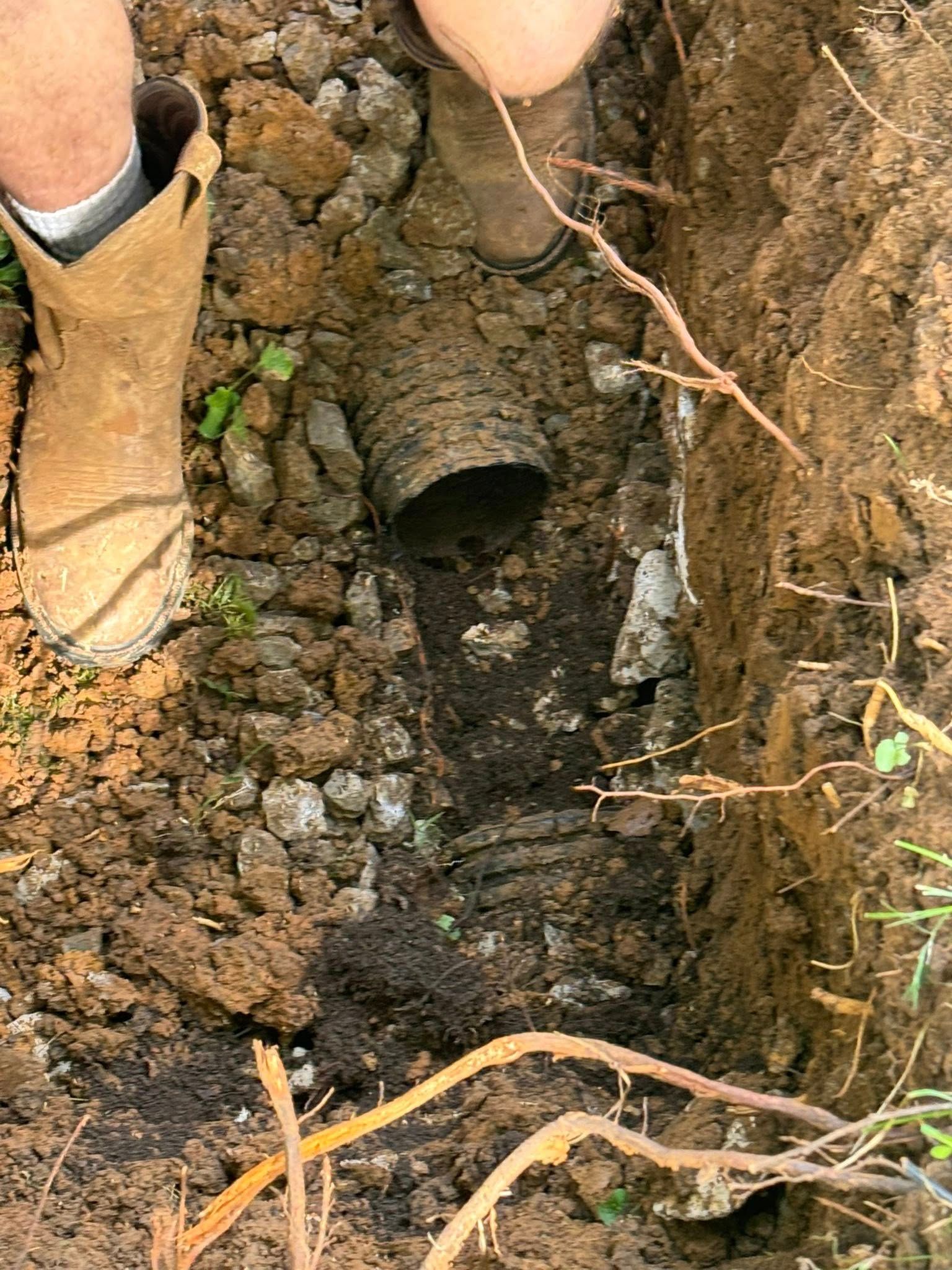
Balanced Drainage Extends Field Life Without Full System Replacement
Field line restoration is about giving septic systems the ability to breathe, drain, and function again without unnecessary destruction. Our commitment centers on accuracy, restraint, and long-term reliability rather than default replacement. At Scotts Septic Tank Service, restoration projects are guided by careful evaluation, soil behavior understanding, and proven recovery methods. Serving Christiana, Tennessee and nearby communities, our team applies decades of septic system experience to restore absorption performance responsibly. Communication remains clear, disruption is minimized, and expectations are established early. Quality restoration is measured through sustained drainage improvement, reduced surface issues, and systems that continue operating reliably after service completion. By focusing on soil health and hydraulic balance, field line restoration becomes a practical investment that protects property usability, environmental safety, and long-term wastewater system stability for years ahead.
Frequently Asked Questions
What is field line restoration?
Field line restoration improves drain field absorption by correcting soil compaction, saturation, and biomat buildup. Instead of replacing field lines, restoration revives soil permeability so wastewater disperses properly again, restoring system function, improving drainage performance, and extending overall septic system usability for many additional years.
How do I know if my field lines need restoration?
Common signs include standing water, sewage odors, slow household drainage, or recurring backups despite regular tank maintenance. These symptoms often indicate restricted soil absorption. Field line restoration targets soil-related issues, improving drainage conditions without requiring premature replacement of the entire drain field system.
Can field line restoration prevent full drain field replacement?
Yes. When failure is caused by soil saturation or biomat buildup rather than structural collapse, restoration can delay or prevent replacement. Correctly applied restoration methods recover absorption capacity, reduce system stress, and preserve existing drain field infrastructure for continued long-term use.
Is field line restoration safe for the environment?
Proper field line restoration enhances environmental protection by restoring natural soil filtration processes. Improved wastewater dispersal reduces surface discharge and contamination risk, supports groundwater protection, and promotes responsible treatment within the soil profile rather than allowing untreated effluent to surface.
How long does field line restoration last?
Longevity varies based on soil type, system usage, and maintenance habits. When paired with responsible water use and routine septic care, field line restoration can extend drain field life for many years by slowing biomat accumulation and maintaining balanced soil conditions.
How does Scotts Septic Tank Service perform restoration in Christiana, Tennessee?
Scotts Septic Tank Service uses restoration techniques suited to clay soils and moisture conditions common in Christiana, Tennessee. This regional understanding ensures restoration remains effective under seasonal rainfall, groundwater fluctuations, and long-term usage demands without compromising system stability.
Will restoration disrupt my property?
Field line restoration is far less disruptive than full replacement. Targeted treatments minimize excavation, preserve landscaping, and reduce surface disturbance. Most properties remain usable during service while achieving meaningful improvements in drainage performance and long-term septic system reliability.
Why choose Scotts Septic Tank Service for field line restoration?
Scotts Septic Tank Service brings over 60+ years of septic system service experience in Christiana, Tennessee. That experience supports accurate evaluation, appropriate restoration methods, and durable results focused on recovering system performance rather than unnecessary replacement or short-term fixes.