
Septic Tank Installation in Christiana, Tennessee
Inquire
Contact Us
We will get back to you as soon as possible.
Please try again later.
Our Services
- Service 1
- Service 2
- Service 3
- Service 4
- Service 5
- Service 6
- Service 7
- Service 8
- Service 9
Building Reliable Septic Foundations Designed For Decades Of Performance
A septic system is not just an underground container; it is a load-bearing, flow-regulated infrastructure that must perform consistently for decades. Septic tank installation determines whether wastewater moves safely, drains properly, and remains environmentally contained. At Scotts Septic Tank Service, installation is treated as an engineering process, not a construction shortcut. Every decision—tank sizing, placement depth, inlet alignment, and outlet elevation—directly affects how the system behaves under daily use. Mistakes made during installation rarely appear immediately, but surface years later as backups, saturated soil, or premature drain field failure. Proper installation prevents those outcomes before they begin.
We serve Christiana, Tennessee, along with nearby communities such as Murfreesboro, Eagleville, Shelbyville, and rural areas across Rutherford and Bedford counties. Properties in this region often feature clay-dense soils, fluctuating groundwater levels, and varied lot sizes that require careful planning. Septic systems here must handle seasonal rainfall shifts, agricultural land use, and long household occupancy cycles. Understanding how Middle Tennessee soil conditions interact with wastewater movement allows installation choices to remain practical, compliant, and durable rather than generic or undersized.
With more than 60+ years of septic system service experience, our team approaches septic tank installation with discipline, precision, and accountability. Planning begins before excavation and continues through final grading and system stabilization. Communication stays direct, timelines remain realistic, and workmanship focuses on performance years after installation rather than appearance on completion day. A correctly installed septic tank supports predictable flow, protects drain fields, and reduces long-term maintenance uncertainty. The goal remains simple: build systems that operate quietly, safely, and consistently beneath the surface, supporting property use without interruption.
Our Septic Tank Installation Services
New Septic Tank Installation
New septic tank installation includes system layout, excavation, bedding preparation, tank placement, and connection alignment. Each phase ensures structural stability and proper hydraulic function. Accurate installation establishes dependable wastewater handling, preventing early failures and supporting long-term performance under consistent residential or light commercial use.
Replacement Septic Tank Installation
Replacement installation removes failing tanks and installs new units without disrupting surrounding infrastructure unnecessarily. Careful transition protects existing drain fields when viable. Replacement installation restores system integrity while addressing outdated sizing, material degradation, or structural damage affecting wastewater performance.
Tank Sizing and Capacity Planning
Proper tank sizing balances household usage with system capacity. Installation planning evaluates occupancy, usage patterns, and wastewater load. Correct sizing prevents overload, improves separation efficiency, and reduces pumping frequency, supporting consistent system performance without unnecessary stress on downstream components.
Excavation and Bedding Preparation
Installation begins with controlled excavation and stable bedding. Proper base preparation prevents tank shifting, settling, or cracking. Compacted bedding supports structural integrity while ensuring correct elevation and alignment, forming the foundation for long-term septic system reliability.
Inlet and Outlet Connection Alignment
Precise alignment of inlet and outlet connections ensures balanced wastewater movement. Installation errors at these points cause turbulence and solids migration. Proper alignment supports efficient separation, protects baffles, and maintains steady flow toward the drain field without hydraulic disruption.
Final Grading and System Stabilization
After installation, grading restores surface drainage and protects the system from erosion. Stabilization prevents surface water intrusion and soil movement. Proper finishing ensures the septic tank remains protected while maintaining safe, accessible property conditions long after installation completion.
Benefits of Proper Septic Tank Installation
Establishes Long-Term System Stability
Proper septic tank installation ensures structural integrity, correct flow alignment, and balanced load distribution. Accurate placement prevents shifting, cracking, and hydraulic stress. When installed correctly, systems remain stable under long-term use, seasonal soil movement, and groundwater changes without developing premature failures.
Protects Drain Field Performance
Correct installation regulates effluent exit height and flow rate entering the drain field. Balanced distribution prevents soil saturation and biomat overload. This protection extends drain field life, reduces surface pooling, and delays costly excavation or replacement caused by uneven wastewater discharge patterns.
Supports Regulatory Compliance
Septic tank installation must align with health codes, setback requirements, and soil suitability standards. Proper installation ensures compliance from the start, reducing inspection delays and legal complications. Meeting requirements early prevents future disputes, retrofits, or forced system modifications after occupancy begins.
Reduces Future Repair Risk
Many septic repairs trace back to improper installation. Correct tank sizing, bedding, and connection alignment reduce stress points that cause cracks or leaks. Proper installation minimizes mechanical wear, protecting components from early failure and limiting unexpected repair costs over time.
Improves Wastewater Flow Efficiency
Accurate inlet and outlet alignment promotes smooth wastewater movement through the system. Installation errors can create turbulence, backups, or uneven settling. Proper installation maintains steady flow patterns that support efficient separation, digestion, and discharge without overloading any component.
Enhances Property Usability
A correctly installed septic system remains unobtrusive and reliable. Proper depth, grading, and access planning preserve usable yard space and prevent surface issues. This enhances property functionality while reducing long-term disruption caused by maintenance complications or system failures.
why choose us?
Local Expertise You Can Trust
We live and work in the Christiana, TN area, which means we understand local soil conditions, regulations, and septic system needs. This local knowledge allows us to deliver accurate solutions that work long-term, not guesswork.
Full-Service Septic Solutions
We handle everything from septic tank cleaning and inspections to installations, repairs, field line restoration, and riser installation. Our customers appreciate having one reliable company for all their septic needs.
Honest, Straightforward Service
We believe in clear communication, fair pricing, and explaining your options so you can make informed decisions. You’ll never be pressured into unnecessary work or left wondering what’s happening with your system.
Quality Work Built to Last
We take pride in doing the job right the first time using proven methods and dependable equipment. Our focus is on protecting your property and extending the life of your septic system.
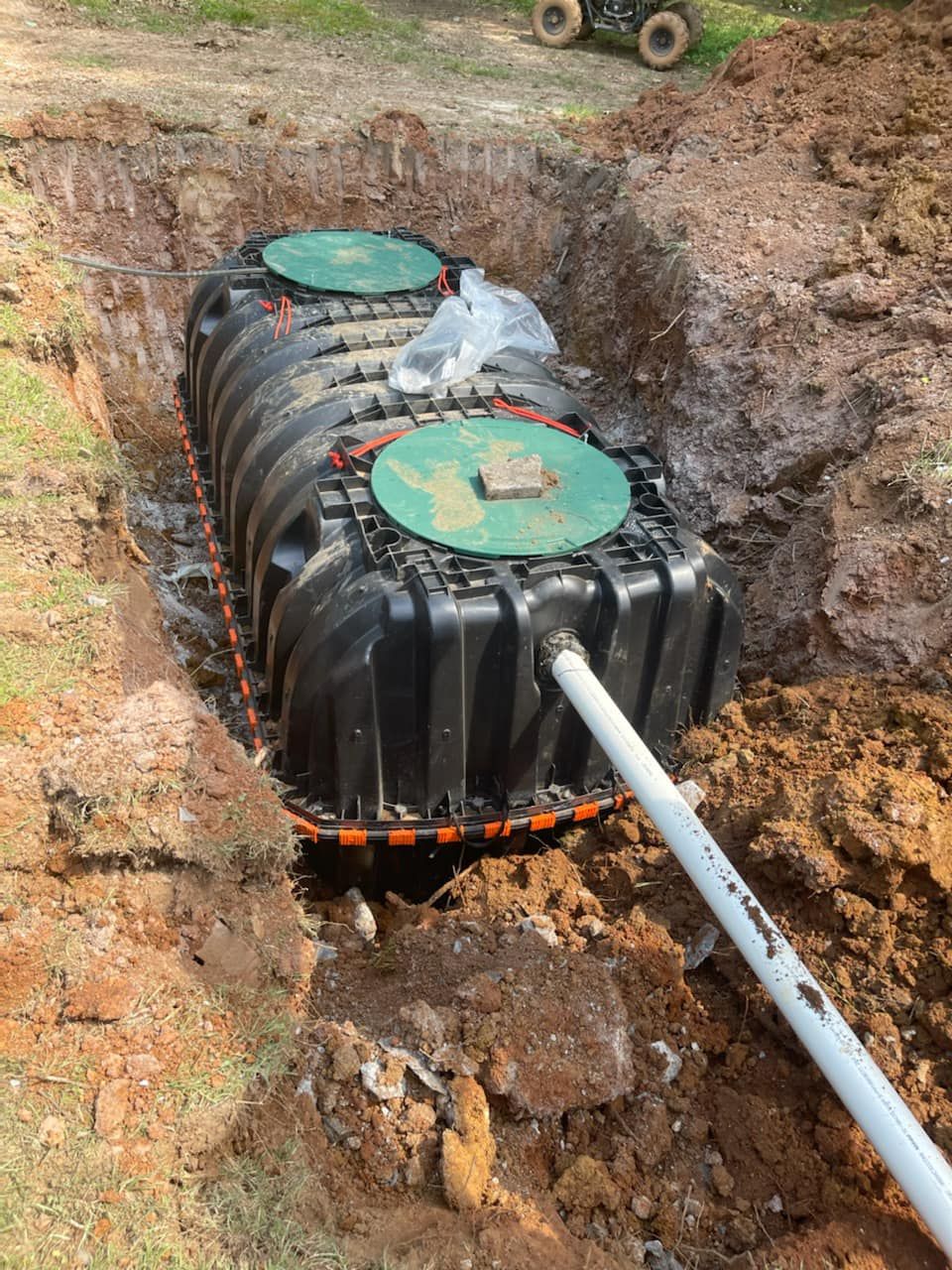
Proper Installation Ensures Stability Efficiency And Long Term Wastewater Control
Septic tank installation defines how a wastewater system performs for decades, not just during its first inspection. Our commitment centers on accuracy, structure, and long-term reliability rather than speed or convenience. At Scotts Septic Tank Service, every installation follows disciplined planning, proper material selection, and controlled execution designed to protect system integrity over time. Serving Christiana, Tennessee and nearby communities, our team applies decades of hands-on experience to ensure tanks are sized correctly, positioned precisely, and connected responsibly. Communication remains clear, expectations are established early, and recommendations reflect real-world conditions rather than generic assumptions. Quality installation is measured years later through systems that remain stable, drain consistently, and require fewer repairs. By focusing on foundation-level decisions and accountable workmanship, septic tank installation becomes a lasting investment that supports property use, environmental protection, and dependable daily operation without interruption
Frequently Asked Questions
How long does septic tank installation typically take?
Septic tank installation timelines depend on site conditions, soil type, and system complexity. Most installations are completed within several days once excavation begins. Planning, permitting, and inspections may add time, but proper sequencing ensures installation quality is never rushed or compromised.
What factors determine septic tank size?
Tank size is determined by occupancy, wastewater usage, and regulatory requirements. Oversizing and undersizing both create issues. Proper sizing balances flow, separation efficiency, and maintenance frequency, supporting consistent system performance without overloading downstream components or increasing unnecessary pumping intervals.
Can a new septic tank connect to an existing drain field?
In some cases, a new septic tank can connect to an existing drain field if soil absorption and field condition remain adequate. Evaluation determines viability. Connecting improperly risks field failure, so compatibility assessment is essential before reuse decisions are made.
Does septic tank installation require permits?
Yes. Septic tank installation typically requires permits, soil evaluations, and inspections. These ensure systems meet health and environmental standards. Compliance protects property owners from future enforcement issues and confirms systems are designed appropriately for site conditions.
How much maintenance does a new septic system require?
Even new systems require regular maintenance to function properly. Routine pumping every 3–5 years, depending on usage, prevents solids from clogging the drain field. Regular inspections can catch minor issues before they become major problems. Proper usage habits—like avoiding grease, chemicals, and non-biodegradable items—also play a significant role in maintaining system health and longevity.
What are the most common mistakes homeowners make with septic systems?
A common misconception is that septic systems are “set it and forget it.” Overloading the system with water, flushing inappropriate items, or neglecting maintenance can cause serious problems. Parking vehicles over the drain field or ignoring slow drains are also frequent mistakes. Understanding how your system works helps prevent avoidable damage and extends its lifespan.
How do I know if I need a new septic system instead of a repair?
If your current system frequently backs up, emits odors, or has standing water near the drain field, it may be failing. While some issues can be repaired, older or severely damaged systems often require full replacement. A professional evaluation can determine whether repairs are cost-effective or if installation of a new system is the better long-term solution.
Can I install a septic system myself to save money?
While it may seem like a cost-saving option, septic installation requires permits, engineering, and compliance with local health codes. Mistakes in installation can lead to system failure, environmental contamination, and costly repairs. In Christiana, regulations are strict, making professional installation the safest and most reliable approach to ensure long-term performance and compliance.
How does soil type affect septic tank installation?
Soil type affects drainage, absorption, and tank elevation decisions. Clay soils drain slowly and require careful outlet planning. Installation must account for these characteristics to prevent backups, surface pooling, and long-term system stress caused by poor percolation.
How does Scotts Septic Tank Service handle installations in Christiana, Tennessee?
Scotts Septic Tank Service applies structured planning and precise installation methods tailored to soil and usage conditions common in Christiana, Tennessee. That approach supports long-term system stability and compliance without unnecessary modifications later.
What maintenance is needed after septic tank installation?
After installation, routine pumping, inspections, and responsible usage are essential. Maintenance schedules vary by system size and usage. Proper care protects the investment made during installation and reduces the likelihood of premature repairs.
Why choose Scotts Septic Tank Service for septic installation in Christiana, Tennessee?
Scotts Septic Tank Service brings over 60+ years of septic system service experience in Christiana, Tennessee. That depth of knowledge supports accurate installation decisions, reliable execution, and systems built to perform consistently for decades.
How does soil type affect septic system performance?
Soil plays a critical role in how well your system filters and disperses wastewater. Sandy soils drain quickly but may not filter effectively, while clay soils retain water and can cause drainage issues. A proper soil analysis ensures the system is designed to match your property’s conditions, preventing problems like pooling water or system overload.
Are there different types of septic systems available?
Yes, there are several types, including conventional systems, chamber systems, and advanced treatment systems. The right choice depends on your property’s soil, size, and local regulations. Some systems are better suited for challenging conditions, such as high water tables or limited space. A professional recommendation ensures you get a system tailored to your specific needs.
What permits are required for septic installation in Tennessee?
Septic installations require approval from local health departments, including soil testing and system design verification. Permits ensure the system meets environmental and safety standards. Skipping or mishandling permits can lead to fines or forced system removal. Working with an experienced contractor helps navigate the permitting process smoothly and ensures compliance.