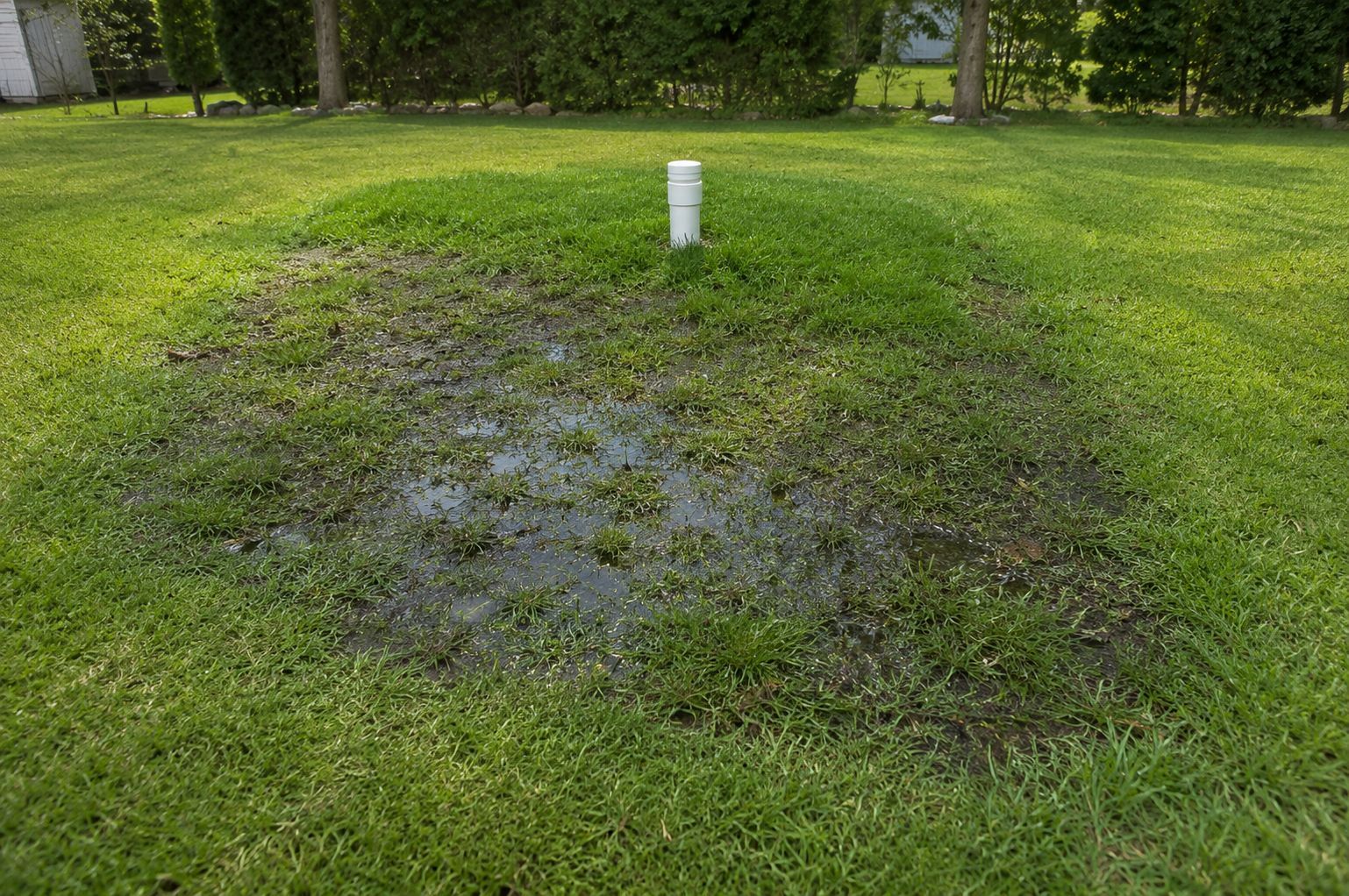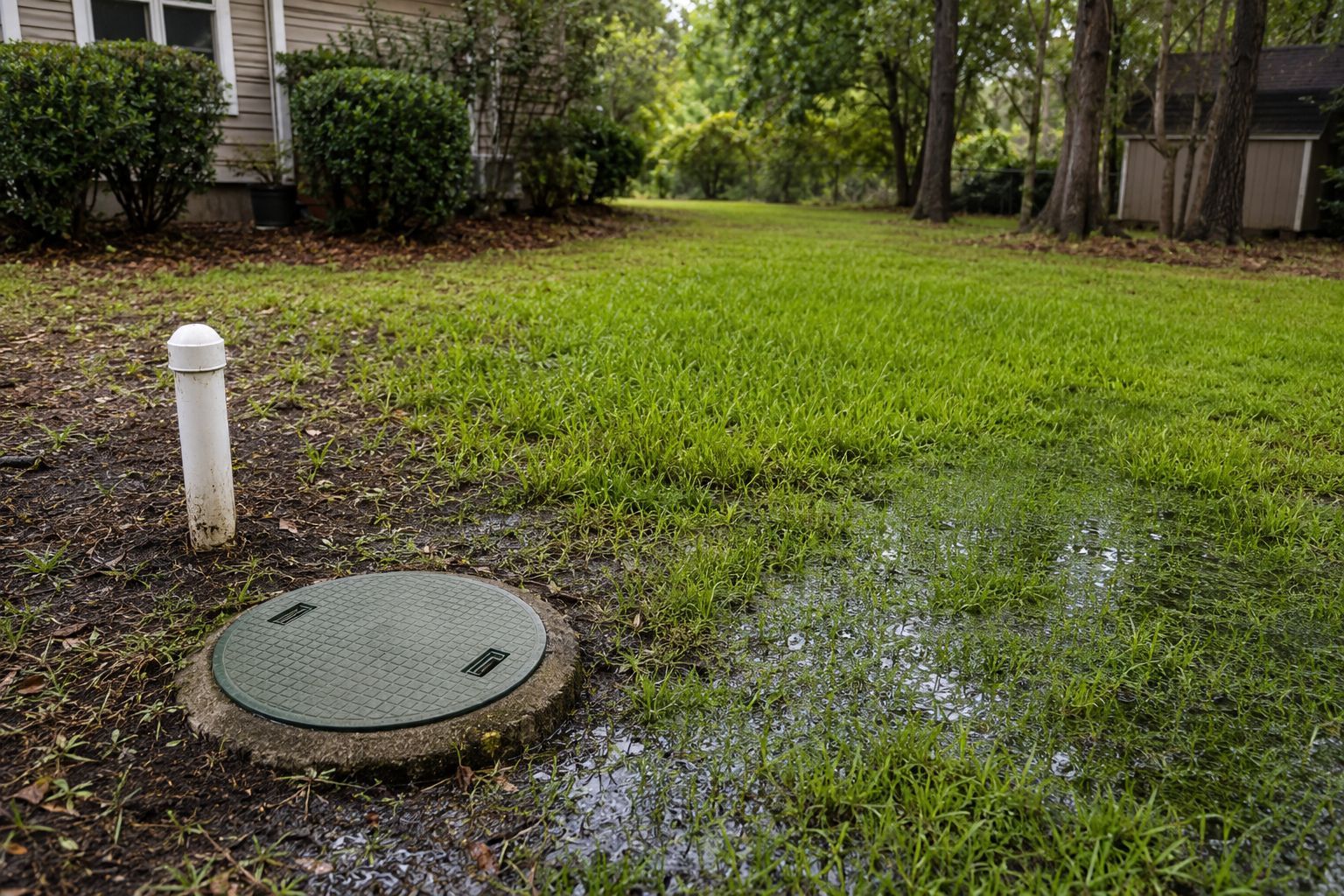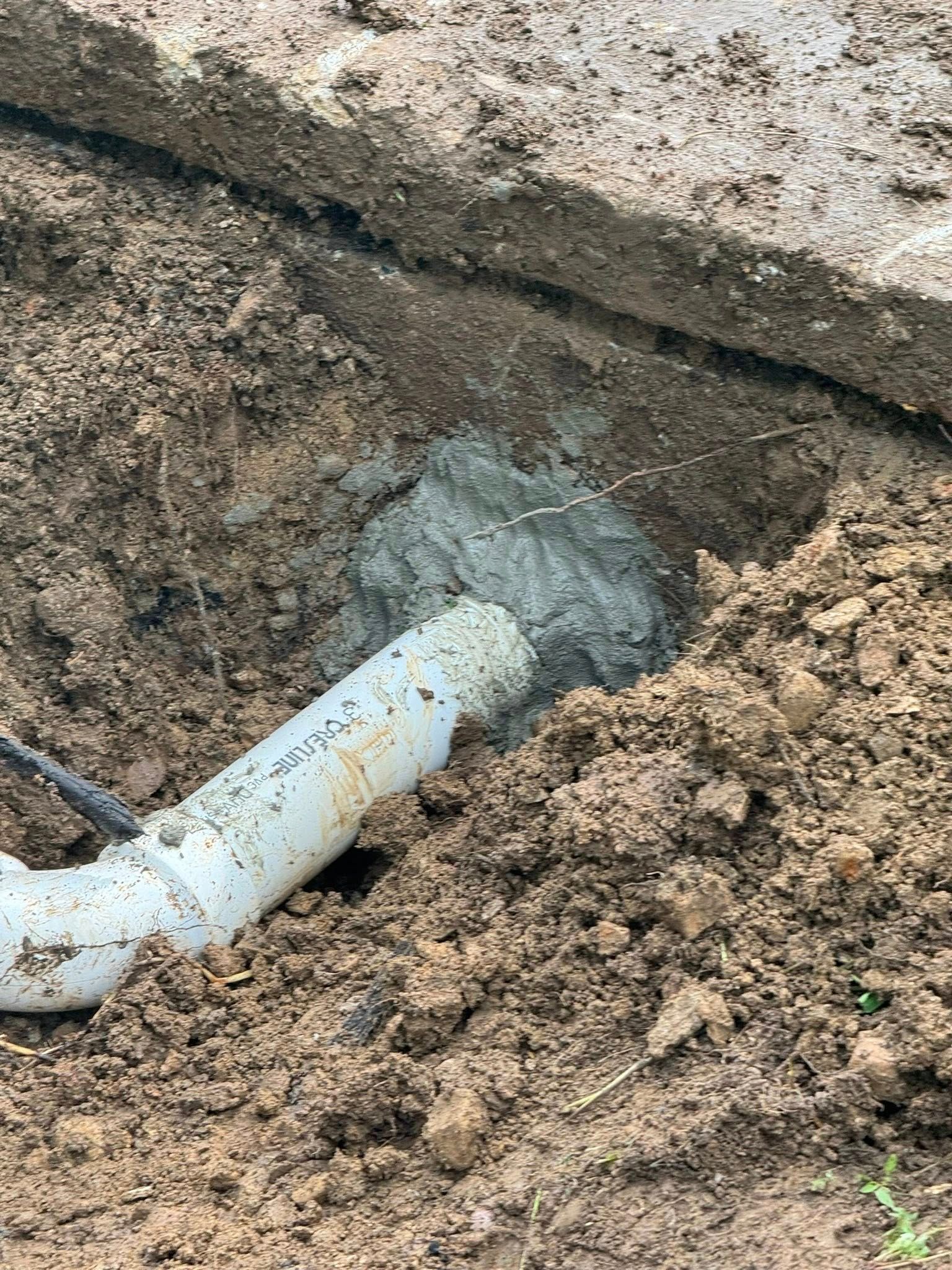
Bright Green Strip of Grass Over the Drain Field? Why That's a Red Flag
September 30, 2026
What does liability coverage cover on an auto policy?
It covers the damage and injuries you cause to other people when you're at fault in an accident. It generally has two parts: bodily injury liability (others' injuries) and property damage liability (others' property, like their vehicle). It's the required foundation of an auto policy, protecting you financially from your responsibility to others on the road, up to your policy's limits.
Does liability cover my own car?
No, this is the most common misunderstanding. Liability covers damage you cause to others' property, not your own vehicle. If you're at fault, your liability handles the other party's car, not yours. Coverage for your own car comes from separate coverages (commonly collision and other-than-collision coverage). Having liability alone does not mean your own vehicle is covered after an accident.
Does liability cover my own injuries?
No. Liability covers injuries you cause to other people, not your own medical costs. Coverage for your own injuries comes from separate coverage types (such as medical payments or personal injury protection, depending on the policy and where you live). Like your own vehicle, your own injuries require coverages beyond liability, which is part of why policies include more than just liability.
What are the two parts of liability coverage?
Bodily injury liability and property damage liability. Bodily injury liability covers injuries you cause to other people (the other driver, passengers, pedestrians) in an at-fault accident. Property damage liability covers damage you cause to others' property, most often their vehicle, but also things like fences or buildings. Together they cover the injuries and property damage you cause to others when you're at fault.
Why is liability required but it doesn't cover me?
Because liability exists to cover your responsibility to others, the harm you might cause them, which is why it's typically required to drive. It's outward-facing by design. Protecting yourself and your own vehicle is the purpose of other, separate coverages you can carry. So liability being required ensures others are covered when you're at fault; covering yourself is a separate choice through additional coverages.
If I only have liability, am I covered in an accident?
Only for the harm you cause others when you're at fault, not for your own vehicle or injuries. With liability alone, an at-fault accident would leave your own car repairs and your own injuries uncovered by that policy. That's why many drivers carry additional coverages. Understanding this gap is important, "I have liability" is not the same as "I'm covered for everything."
How do I know what my policy actually covers?
Review it with a licensed insurance agent. Because requirements, limits, and the specific coverages on your policy depend on your situation and your state, an agent can explain exactly what your liability limits are, what other coverages you have or don't, and what your overall protection looks like. This article explains liability in general terms; for your specific policy and decisions, an agent who can look at your situation is the right resource.
Quick Answer: A strip of grass over the drain field that stays noticeably greener and grows faster than the rest of your lawn, especially through a dry stretch, is usually being fed by nutrients from septic effluent working its way close to the surface. Some greening over a healthy field is normal because the soil there holds a little more moisture. What separates normal from concerning is degree: a shade darker is nothing, but a strip so lush you're mowing it twice as often as the rest of the yard means effluent is closer to the surface than it should be. Left alone, that same process is what eventually produces the wet, spongy ground and sewage odor that follow. Catching it at the green-strip stage, before those other signs join in, usually means a smaller fix.
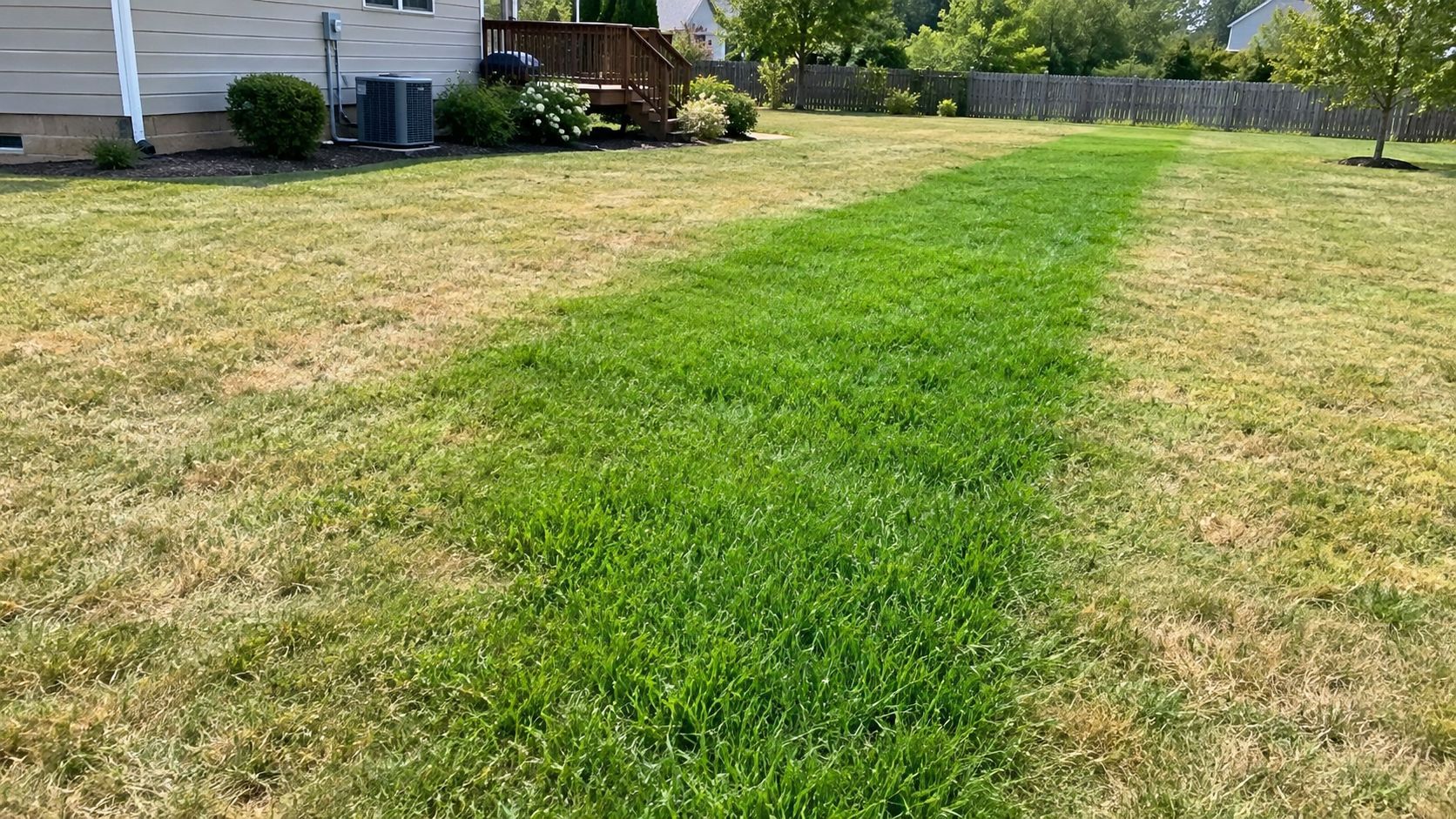
You're pushing the mower across the backyard on a July afternoon when everything else has gone a little brown from the heat, and there it is: a band of grass running the length of where the drain field sits, thick, dark green, and clearly growing faster than anywhere else you've cut this week. No smell. No soft spot under your boots. Just grass that looks like somebody fed it and nothing else.
It's easy to shrug that off. Green grass isn't exactly a complaint. But that strip is telling you something specific about what's happening a couple of feet underground, and it's worth understanding before it turns into the smell and the soggy patch that show up later.
The Grass Isn't Growing Faster by Accident
Wastewater leaving your septic tank carries nitrogen and phosphorus, the same two nutrients in a bag of lawn fertilizer. Soil scientists who study what happens to that effluent after it leaves the tank have traced the pattern closely: nitrogen moves through the soil in a form plants can use, and phosphorus binds to soil particles near where it enters. Under a properly functioning field, most of that nutrient load stays down in the soil column, well below where turfgrass roots actually reach, and it disperses gradually as groundwater moves through.
When a field is working the way it should, the grass above it gets little direct benefit from that buried nutrient load. Extension researchers who study landscaping over septic systems are explicit that turfgrass growing over a drain field should never be fertilized on purpose, because a functioning field is already delivering more nitrogen and phosphorus into that soil than the surrounding lawn gets. Even a well-designed conventional system only removes a portion of the nitrogen and phosphorus that passes through it before that water reaches groundwater, which is exactly why the grass above a field almost always runs a shade greener than grass elsewhere in the yard.
That baseline greening is normal and not something to worry about. The problem starts when the strip stops being "a shade greener" and becomes "growing so fast I'm out here every four days." That jump usually means effluent isn't staying down in the soil column the way it's supposed to. It's moving up, closer to the root zone, faster than the soil can hold and process it, and the grass directly above is responding to a concentrated feed instead of the slow, diffuse trickle a healthy field delivers.
How Green Is Too Green
There's no exact line here, which is part of why this sign gets ignored. But a few patterns separate ordinary and worth-a-look.
Check It Against A Dry Week
A field holding extra soil moisture will fade during a dry stretch. A strip staying deep green while surrounding grass turns crisp suggests another water source.
Watch The Mowing Pattern
If you repeatedly mow one strip midweek while the rest waits, its faster growth deserves attention. Consistent differences may indicate moisture beneath the surface nearby.
Notice Where It Sits
A strip matching the exact width and length of trench lines suggests the source lies directly below. Matching green growth with known field lines strengthens this indicator.
Check The Season
Grass over a field may blend in during spring, then stand out by midsummer. If green strips appear yearly, the repeating pattern likely indicates something underneath.
Tip: Take a photo of the strip on a dry day and note the date. A field problem that's getting worse will show a wider or greener strip a few months later compared to the same photo. That comparison is more useful than trying to remember whether it "seemed worse last year."
Middle Tennessee Soil Makes This Sign Show Up Sooner
Where you live changes how quickly this pattern becomes visible.
A lot of ground around Rutherford, Cannon, Coffee, and Bedford counties sits on weathered limestone with a layer of dense clay above it. That combination gives a drain field a thinner soil column to work with than a lot dug into deep, sandy ground somewhere else. Effluent that would disperse gradually through several feet of soil in a different location has less depth to travel through here before it's within reach of turfgrass roots, so a field that's running a little behind puts nutrients closer to the surface sooner, and the grass reflects that sooner too.
Rocky ground compounds it in another way. Clay-heavy soil already drains slowly, and shallow bedrock limits how far water can move laterally away from the trenches once the soil above it is saturated. On a system with less soil buffer to begin with, the margin between "a normal green tint" and "a strip you can't stop mowing" is narrower, which is part of why this sign is worth taking seriously here even when nothing else in the yard has changed.
Warning: Do not mow the green strip shorter than the rest of the lawn, apply weed killer or fertilizer to try to even out the color, or run extra water over it to see if it "dilutes" whatever's underneath. Shorter grass and added fertilizer both push more growth and can mask the visual signal you're actually trying to read, and extra water only adds more volume to a field that may already be struggling to keep up. Keep the area clear of foot traffic, pets, and parked vehicles until it's been looked at, and never dig into or open field lines on your own.
What's Actually Happening Underground
The right fix depends entirely on which of the above is happening, which is why an accurate diagnosis matters more than a quick guess.
If the problem traces back to the tank itself, a cracked wall, a failed baffle, a separated outlet connection, or a compromised seal, that calls for structural repair. Sealing a crack, replacing a baffle, or restoring a joint stops effluent from bypassing the tank's treatment process and re-establishes the flow balance the rest of the system depends on. Repairs like these are aimed at the source, not the symptom, because a field that keeps receiving under-treated effluent from a damaged tank will keep struggling no matter what happens to the soil around it.
When the tank and its components check out but the field itself is the bottleneck, that points toward restoration rather than tank repair. A biomat that has thickened past what the soil can support can often be addressed directly, reducing the buildup and reopening the pathways effluent needs to disperse. Compacted soil around the trenches can be loosened to restore pore space, and aeration can reintroduce the oxygen a healthy absorption zone depends on. Uneven loading across trench lines can be corrected so one section isn't carrying a disproportionate share of the flow. None of that requires digging up and replacing the field. It requires figuring out exactly what is restricting it and correcting that specific thing.
Full replacement becomes the answer when the soil itself has broken down structurally or the trenches have collapsed, but that is a smaller share of cases than most homeowners assume when they first see a wet, smelly patch of yard. A field caught early, before repeated surfacing has damaged the soil structure underneath, has real odds of being restored rather than rebuilt.
Why This Usually Means Repair, Not Replacement
A green strip caught on its own, before smell or standing water join in, is one of the more favorable times to find a septic problem, because it usually points to something specific and correctable rather than a field that's broken down structurally.
If the tank itself is the source, a cracked wall, a worn baffle, or a separated outlet connection, sealing or replacing that component stops untreated effluent from reaching the field in the first place and takes the pressure off the soil that's already showing stress. That kind of structural repair addresses where the extra nutrient load is coming from rather than just where it's showing up.
If the field itself is the bottleneck, a biomat that's thickened past what the soil can support, or one section of trench carrying more than its share of flow, that calls for evaluating what's actually restricting it rather than assuming the whole field needs to be dug up. A field caught at the green-strip stage, before repeated saturation has had time to damage the soil structure underneath the trenches, has real odds of being corrected rather than rebuilt from scratch. That window narrows the longer the strip sits there getting greener while nobody looks into it.
Frequently Asked Questions
Does a green strip always mean something's wrong with the septic system?
Not always. Some greening over a working field is normal since it gets more moisture and nutrients than the rest of the yard. What matters is degree: a sharply greener, faster-growing strip is worth checking.
Should I be worried if the green strip only shows up in summer?
Not automatically, since summer heat makes moisture differences more visible. What matters is whether the same strip appears in the same spot and grows a little more pronounced each year, rather than simply fading back.
Title or question
Describe the item or answer the question so that site visitors who are interested get more information. You can emphasize this text with bullets, italics or bold, and add links.Can I fix a green strip myself by adjusting my lawn care?
No, and trying usually backfires. Mowing it differently, adding fertilizer to blend the color, or watering nearby grass to match doesn't change what's happening below. It only makes the signal harder to read accurately later.
Is a green strip an emergency the way a backup inside the house is?
No. A green strip with no odor and no soft ground is an early sign, not an active failure, so it's worth acting on now. That gives you more options than waiting for bigger problems.
Will the strip go away once the underlying problem is fixed?
The strip may fade gradually once the extra nutrient load stops reaching the surface, though heavier grass can take a few mowing cycles to level out. Stopping further greening matters more than instant color change.
How is this different from the wet, smelly patch people usually hear about?
Describe the item or answer the question so that site visitors who are interested get more information. You can emphasize this text with bullets, italics or bold, and add links.
What The Green Strip Really Means For You
A green strip over the drain field is one of the earliest signals a septic system gives before anything else changes. No smell, no soft ground, just grass growing faster than it should. That difference usually traces back to a thickening biomat, an uneven distribution box, or a tank component letting effluent bypass treatment before it reaches the soil. On Middle Tennessee's thin layer of clay and limestone, that early window closes faster than it does elsewhere, so it deserves a closer look.
Catching that strip early, before wetness or odor join it, is usually the difference between a straightforward repair and a full field replacement. Scotts Septic Tank Service
has worked on systems throughout Middle Tennessee from Christiana, TN, drawing on more than 60
years of hands-on experience with exactly this kind of early-stage problem. What looks like an odd patch of healthy grass is often the clearest warning a yard can give, long before the ground itself starts to show it.