Signs You Need a New Septic Tank: A Homeowner’s Guide
April 25, 2026
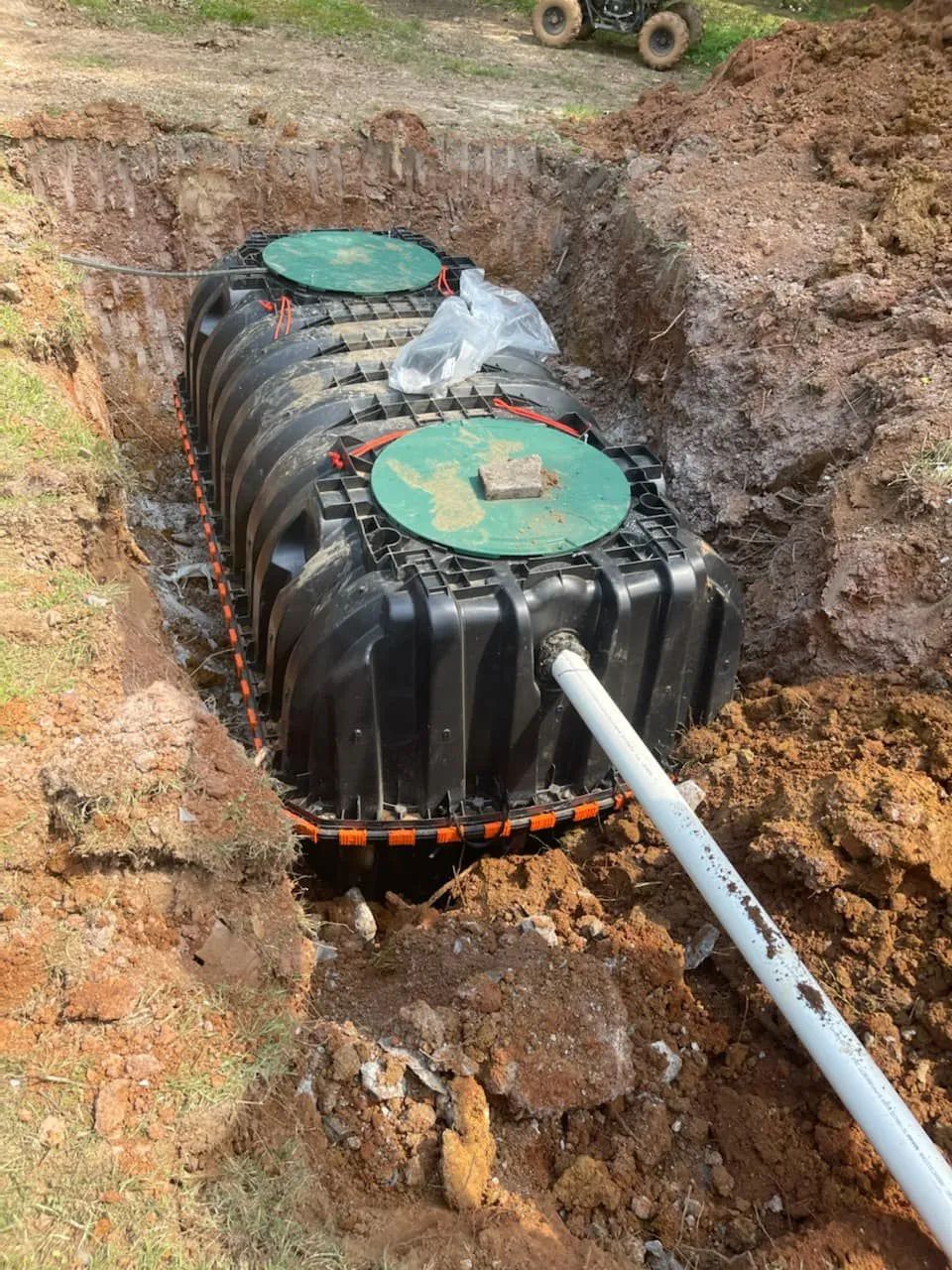
A septic tank is one of the most critical components of a home’s wastewater management system, quietly working beneath the surface to treat and dispose of household sewage. While septic systems are designed to last decades, they are not invincible. Over time, soil conditions, usage patterns, and aging components can compromise their efficiency, leading to costly repairs or complete system failure. Homeowners often overlook early warning signs, resulting in damage that could have been prevented with timely attention. Neglecting regular maintenance or ignoring minor issues can accelerate deterioration, making early detection even more vital. Understanding the tank’s condition helps prevent unexpected emergencies and ensures long-term reliability. Recognizing when a septic tank needs replacement is essential for maintaining a safe and healthy property.
Understanding the signs of a failing septic tank empowers homeowners to take proactive measures. From unusual odors to slow drains and wet spots in the yard, early detection can save thousands in repairs and prevent environmental contamination. Timely intervention can also protect local groundwater and preserve landscaping from potential damage. This guide explores common indicators that signal the need for a new septic tank. It provides actionable insights into identifying problems before they escalate, offering practical solutions and best practices. With clear explanations and real-world examples, this resource equips homeowners with the knowledge to safeguard both property value and family health while minimizing risks associated with septic failure.
Slow Drains and Frequent Backups
Slow Drains
One of the earliest and most noticeable signs of a failing septic tank is slow drainage in sinks, bathtubs, and toilets. Slow drains often indicate that solids are building up in the tank or the drain field is no longer absorbing wastewater efficiently. Unlike temporary clogs caused by hair or debris, persistent slow drains point to systemic issues that require professional evaluation.
For example, a kitchen sink that consistently drains slowly despite using natural drain cleaners may signal that the septic tank is nearing capacity. Bathrooms may experience similar symptoms, particularly when multiple fixtures are used simultaneously. Monitoring these patterns over time helps distinguish between minor blockages and signs of a failing system.
Frequent Backups
Another red flag is recurrent sewage backups. If wastewater begins to rise in toilets or floor drains, it indicates that the tank is overwhelmed or the drain field is compromised. Regular backups are not only inconvenient but also hazardous, exposing the household to bacteria and pathogens. Prompt attention is critical; ignoring these signs can lead to significant structural damage and increased repair costs.
Foul Odors Around the Property
Odors from Drains
Persistent foul smells originating from sinks, showers, or toilets can indicate that the septic system is failing to process waste properly and efficiently. These odors are typically sulfurous or resemble rotten eggs, caused by the buildup of gases in the tank over time. Ignoring these smells can create uncomfortable living conditions and also signal potential serious health risks for residents.
Odors in the Yard
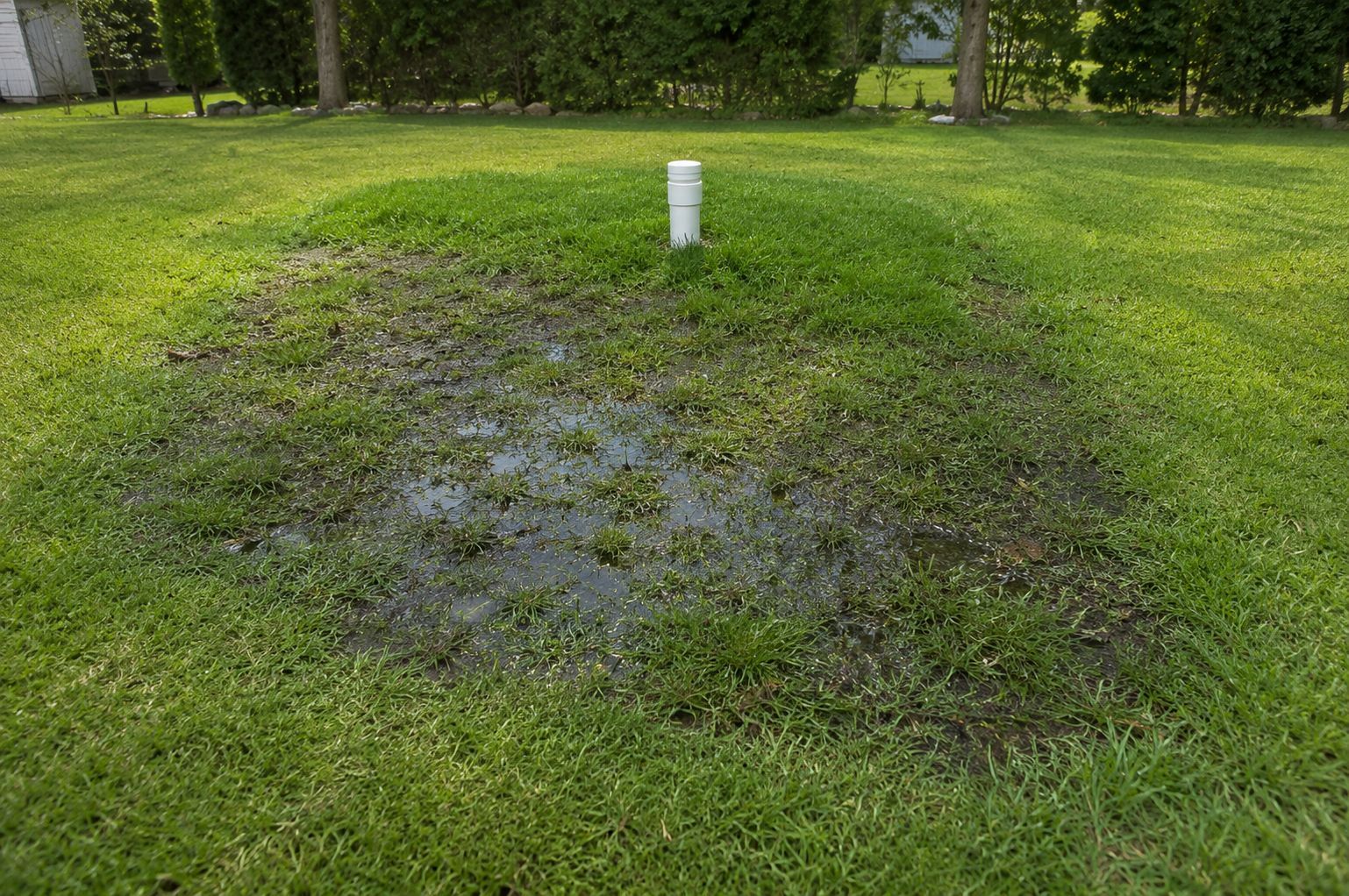
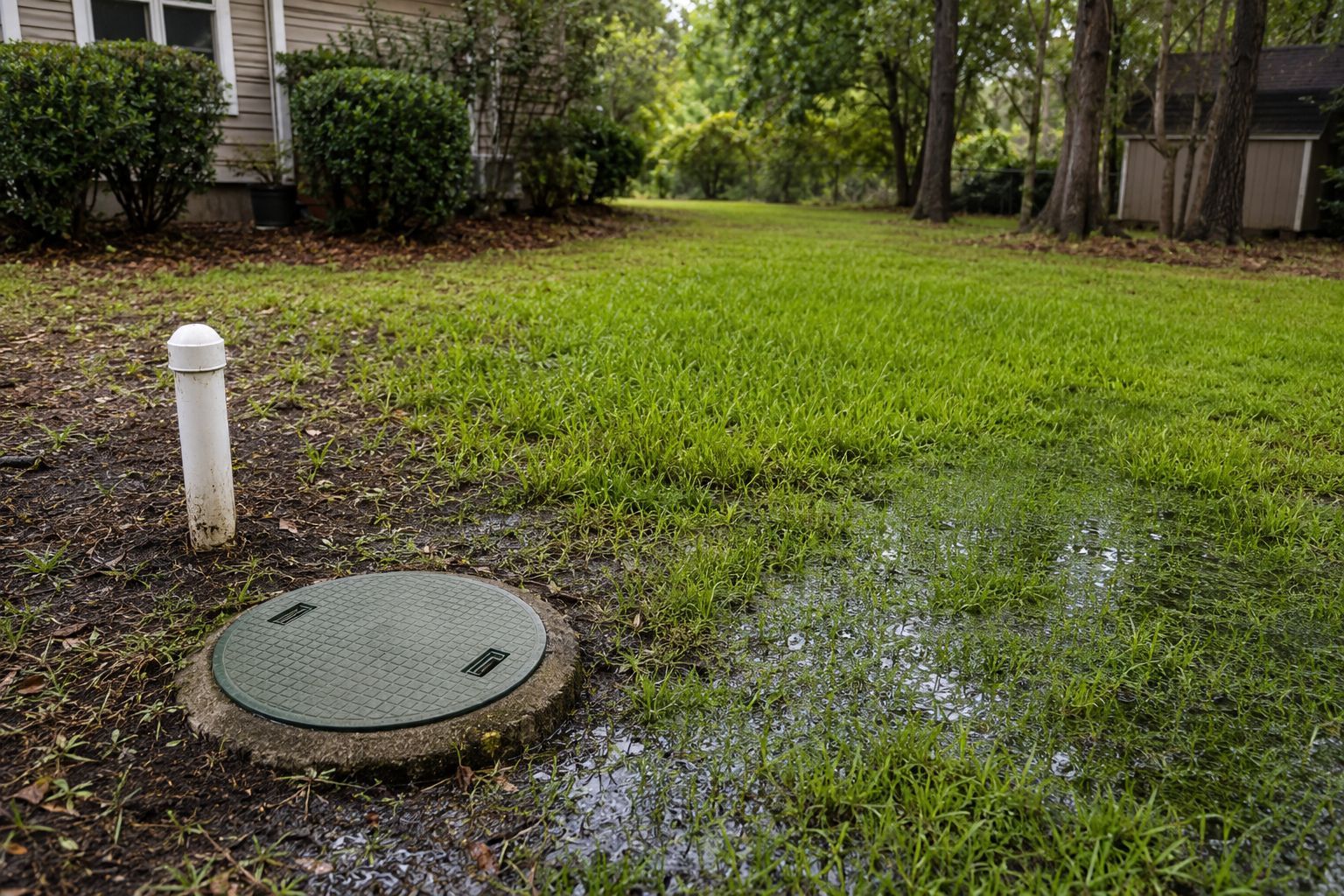
Unpleasant smells in the yard, particularly near the septic tank or drain field, often accompany serious system issues. A failing tank can allow untreated wastewater to seep to the surface, creating a strong, offensive odor that lingers persistently. This not only affects property enjoyment but also raises significant concerns about potential groundwater contamination. Regularly inspecting the yard for unusual wet spots or foul smells helps identify problems early.
Standing Water or Wet Spots
Foundation and Yard Impact
Persistent moisture near the foundation or in low-lying areas can indicate that effluent is backing up from the septic system. Over time, this can compromise soil stability, affect nearby vegetation growth, and increase the risk of long-term foundation issues. Observing unusual wet areas in the yard or near the house’s perimeter is essential for early detection and timely intervention.
Sewer Gurgling Sounds
Unusual Plumbing Noises
Gurgling or bubbling sounds in toilets, sinks, or drains often indicate air trapped in the plumbing due to a failing septic tank. When wastewater cannot flow freely, it causes air pockets that generate these strange noises consistently. While occasional gurgling may not be a serious concern, persistent or worsening sounds suggest a more significant underlying problem.
Connection to System Failure
Frequent gurgling often accompanies slow drains and backups, reinforcing the need for immediate inspection. Ignoring these auditory signals can allow minor issues to escalate into full-scale system failure over time. Maintaining awareness of unusual plumbing sounds provides an early opportunity for corrective action and prevention of damage.
Excessive Grass Growth and Unusual Landscaping
Lush Vegetation
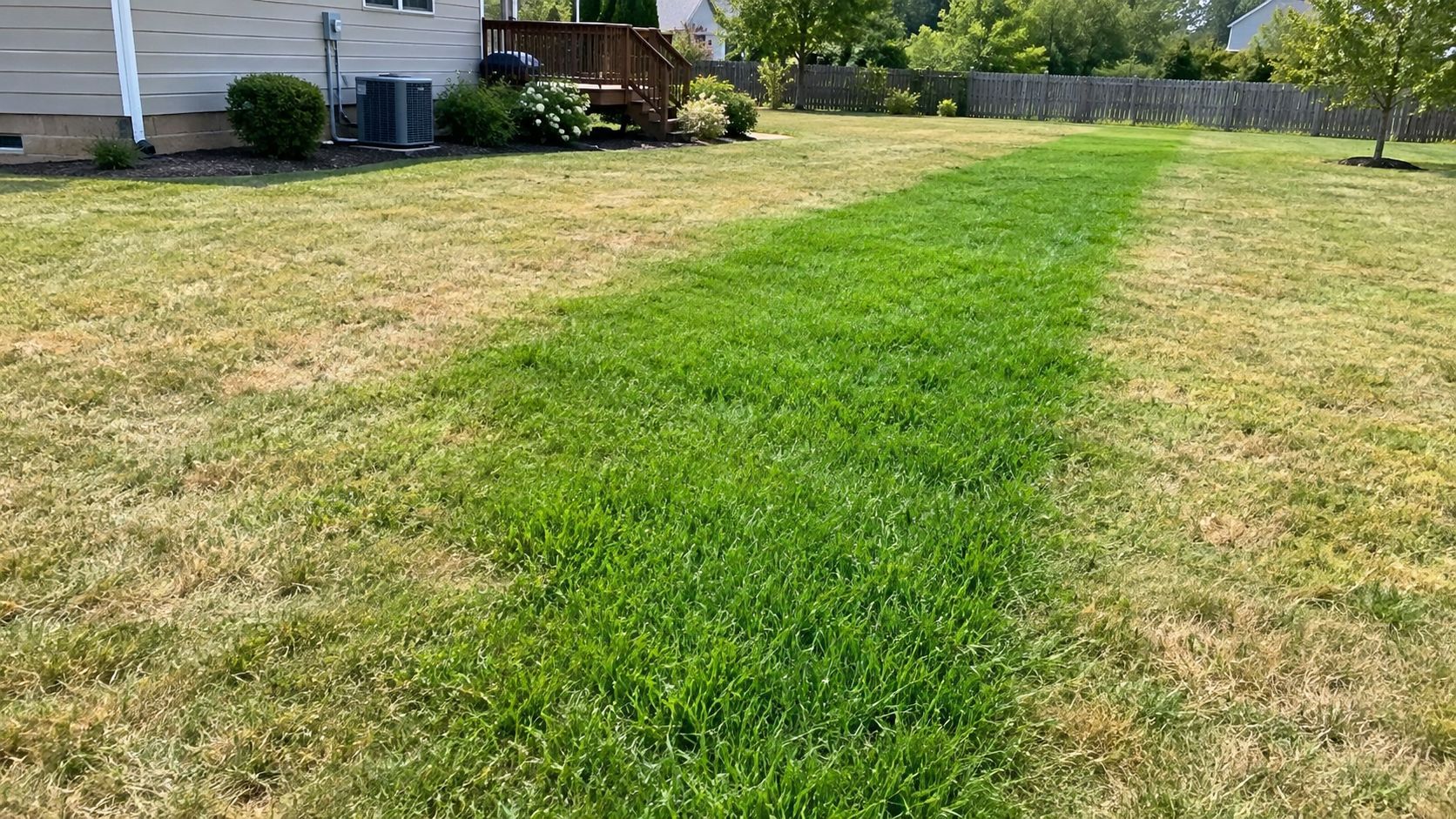
Areas above the drain field may show unusually lush or green grass compared to the rest of the lawn. While seemingly beneficial, this can indicate that the septic tank is leaking nutrients into the soil, stimulating plant growth unnaturally. Overly vibrant vegetation may appear even during dry seasons, serving as a visible clue of an underlying system problem.
Soil Settlement and Erosion
Conversely, the soil around a failing septic system may show signs of settling, cracking, or erosion due to wastewater leaks. These changes result from improper drainage or soil compaction caused by system inefficiency. Both unusually lush growth and visible soil deformation signal the need for professional evaluation and potential tank replacement without delay.
Age of the Septic System
Expected Lifespan
Most septic tanks have a typical lifespan of 20 to 40 years, depending on material quality, household usage, and routine maintenance. Older systems are more prone to structural deterioration, rust, cracks, and leaks that affect overall functionality. Understanding the age of the septic tank helps homeowners anticipate potential replacement needs and plan accordingly for long-term system health.
Wear and Tear Indicators
Visible signs of aging include cracks in the tank, corroded access lids, and frequent system malfunctions or backups. While proper maintenance can extend a tank’s life, physical degradation eventually necessitates replacement to prevent environmental damage. Monitoring the system’s age and visible condition allows homeowners to plan for timely upgrades and avoid costly emergency repairs.
Health and Environmental Concerns
Home Safety Hazards
Beyond environmental risks, a failing septic system can create unsafe living conditions inside the home. Sewage backups increase exposure to harmful pathogens, while wet or unstable yard areas may lead to accidents, slips, or property damage. Prioritizing septic system health safeguards both family safety and property structural integrity.
Best Practices for Septic Tank Maintenance
Routine Inspections
Regular inspections by qualified professionals can detect minor issues before they escalate into costly problems. Experts assess tank integrity, drain field performance, and potential leaks that may not be obvious. Homeowners should schedule inspections every three to five years, depending on system size and household water usage patterns.
Pumping and Cleaning
Routine pumping removes solids that accumulate over time, preventing blockages, backups, and overflows in the system. The frequency depends on household size and water usage but typically occurs every three to five years for optimal results. Proper cleaning ensures maximum system performance and longevity, minimizing unexpected failures.
Water Usage Management
Conserving water reduces the strain on the septic system, preventing premature wear and failure. Installing low-flow fixtures, repairing leaks promptly, and spreading laundry loads evenly help maintain system balance. Proper management of water input minimizes the risk of backups and prolongs overall tank life.
Avoiding Harmful Chemicals
Harsh chemicals, excessive bleach, and non-biodegradable products can disrupt the essential bacterial processes in the septic system. Using septic-safe cleaning products protects tank functionality, prevents costly repairs, and ensures long-term reliability. Educating household members about proper usage and limits is crucial for consistent system health.
Trusted Septic Experts Safeguarding Your Home System
Recognizing the signs of a failing septic tank is critical for maintaining a safe, functional, and efficient wastewater system. Slow drains, frequent backups, foul odors, standing water, gurgling sounds, unusual landscaping, and system age all serve as warning signals. Addressing these issues promptly reduces repair costs, protects property value, and prevents health and environmental hazards. Proactive monitoring, routine maintenance, and timely replacement are essential strategies for homeowners to preserve septic system integrity.
At Scotts Septic Tank Service, we bring over 60
years of expertise in maintaining, repairing, and
replacing septic systems. Based in Christiana, Tennessee, we provide trusted guidance, thorough inspections, and professional solutions for homeowners seeking peace of mind. Our deep experience allows us to identify subtle signs of system stress and implement effective interventions before issues escalate. Commitment to quality, reliability, and customer satisfaction positions us as a leading authority in septic tank services. Homeowners can rely on our knowledge and skill to safeguard their property and ensure a clean, safe, and functional septic system for years to come.